The Science of Pain Management: Know, Understand, and Manage Your Pain

The Science of Pain Management: Understanding Pain Instead of Just Enduring It
Many people view pain as merely a "symptom" that will eventually disappear on its own. However, in both music therapy and modern medicine, Pain is recognized as a complex sensory and emotional experience. If left unmanaged, it can escalate into a chronic condition that undermines both physical and mental well-being.
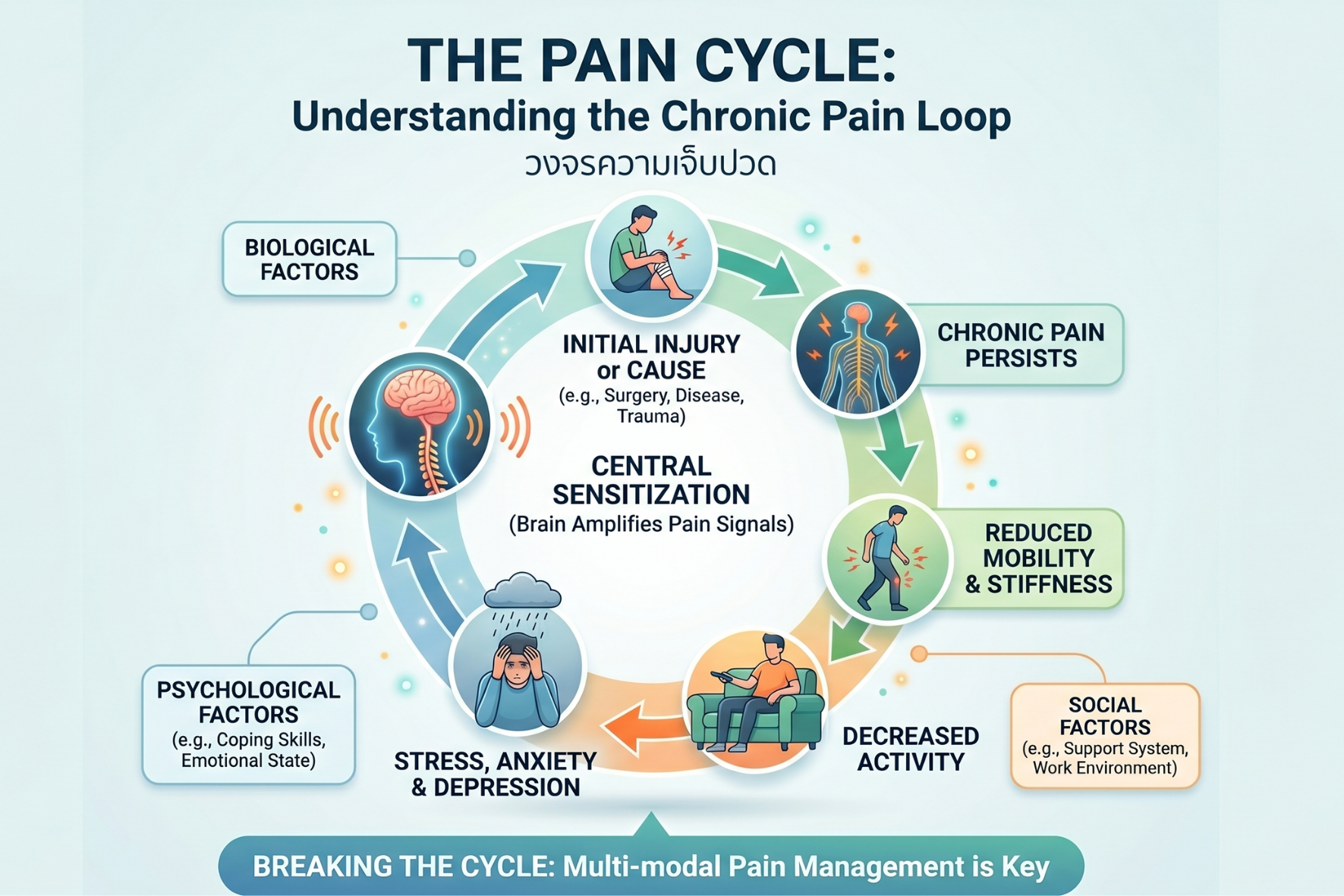
1. Understanding "Pain" from a Scientific Perspective
According to the International Association for the Study of Pain (IASP), pain is not caused solely by tissue damage; it also involves neurological processes that send signals to the brain and how the brain interprets those signals. Pain is primarily classified into two categories:
- Acute Pain: Occurs immediately due to injury, surgery, or inflammation. It typically subsides once the wound or underlying cause has been treated.
- Chronic Pain: Pain that persists for more than 3–6 months, even after the initial injury has healed. This type of pain is often linked to nervous system dysfunction.
2. The Three Dimensions: The Biopsychosocial Model
Modern pain management looks beyond the specific "pain point" and utilizes a holistic approach for assessment:
- Biological: Issues involving muscles, tendons, bones, or abnormal nerve signaling.
- Psychological: Stress, anxiety, and depression, which can "amplify" pain signals, making them feel more intense.
- Social: Environment, career, and relationships, all of which influence a patient's emotional resilience during recovery.
3. Multidisciplinary Approaches to Pain Management
The goal of pain science isn't always to "reach zero pain," but rather to "restore quality of life," enabling patients to return to their daily routines. Treatment options include:
- Pharmacotherapy: Ranging from general analgesics to nerve-modulating medications, all administered under expert medical supervision.
- Interventional Pain Management: Procedures such as targeted injections or Radiofrequency Ablation to effectively block pain signals.
- Physical Therapy: Utilizing specialized equipment and targeted exercises to build strength and improve posture.
- Psychological Therapy: Such as Cognitive Behavioral Therapy (CBT), which helps patients live with pain mindfully and reduces emotional distress.
4. Why You Shouldn't Just "Endure" the Pain
Enduring chronic pain can have more severe consequences than you might realize:
- Central Sensitization: The longer you endure pain, the more the brain "remembers" it, becoming hypersensitive even to minor stimuli.
- Mental Health Issues: Chronic pain frequently leads to insomnia, irritability, and clinical depression.
- Decreased Physical Function: Avoiding movement due to fear of pain leads to muscle atrophy and joint stiffness.
A New Beginning: Life Beyond Pain
The science of pain management serves as a bridge that helps patients regain their happiness. If you or a loved one is experiencing pain that interferes with daily life, do not view it as an inevitable part of aging or a condition you must simply accept. Consult a Pain Specialist to develop a treatment plan tailored specifically for you.
"Because pain is a deeply personal experience, effective treatment must be uniquely designed for the individual."