Menopause: How to manage hot flashes, insomnia, and mood swings
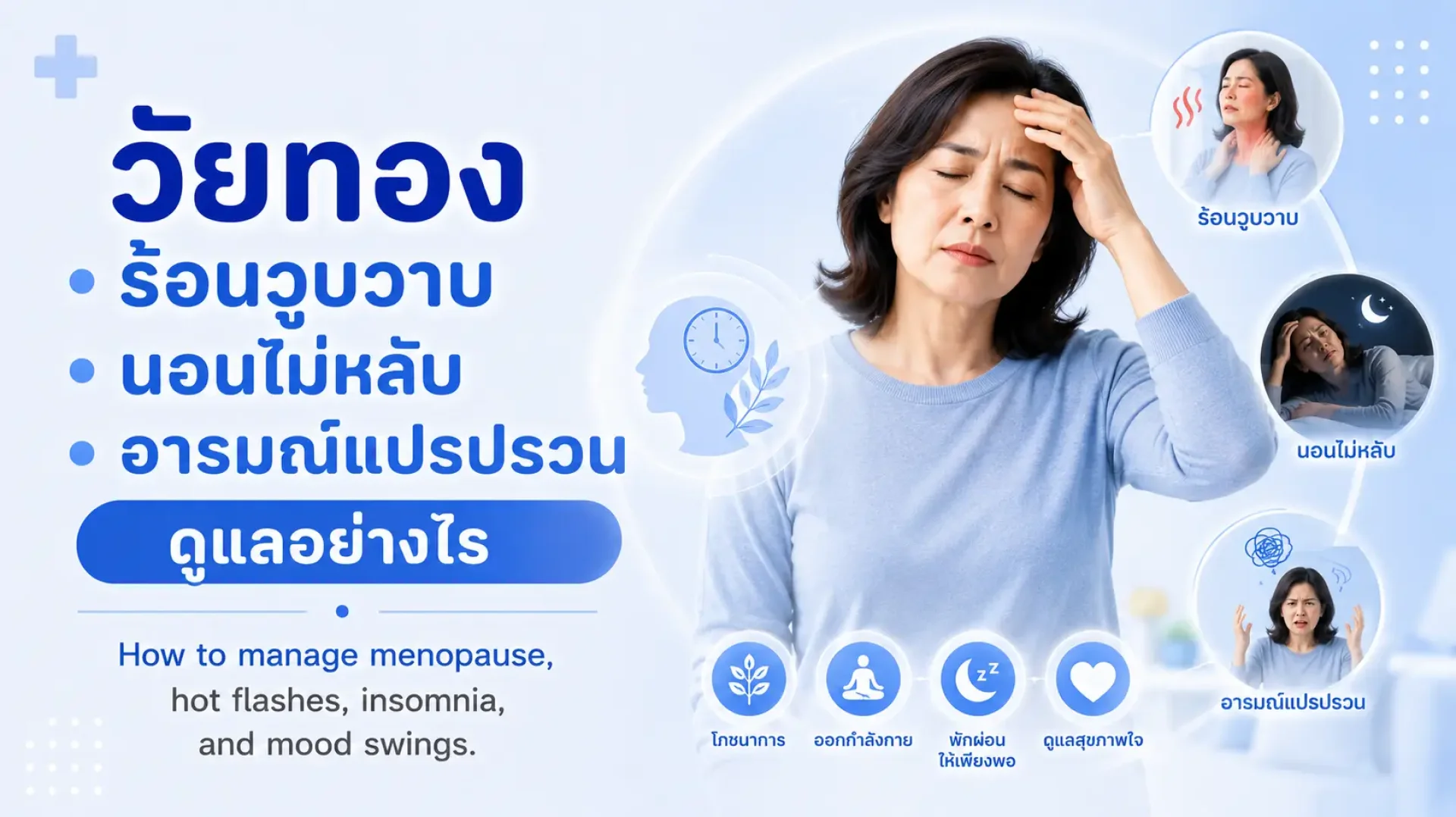
Many women begin to feel that their bodies are no longer the same in their late 40s to early 50s. Menstruation may become irregular—heavy some months and completely absent in others. You might find it hard to fall asleep despite being exhausted all day, or wake up in the middle of the night due to sudden hot flashes and night sweats. Some women experience irritability, palpitations, anxiety, or unexplained mood swings.
These could be the signs of the transition into perimenopause and menopause.
Menopause is not a disease, an abnormality, or something to be ashamed of. It is a natural phase of a woman's life caused by the gradual decline in ovarian function, leading to changes in estrogen and progesterone levels. While some symptoms are mild and pass on their own, others can severely disrupt your sleep, work, relationships, bone health, heart health, and overall quality of life.
According to NICE guidelines, menopause care should prioritize identifying symptoms, providing information, offering support, and selecting personalized treatment options. Women should not have to endure these symptoms without choices.
What is Menopause?
The term menopause refers to the permanent cessation of menstruation. It is typically diagnosed when you have gone 12 consecutive months without a period (and the absence is not caused by pregnancy, medications, or other medical conditions). Perimenopause is the transitional phase leading up to menopause, characterized by fluctuating hormones, irregular periods, hot flashes, insomnia, and mood changes.
The European Society of Endocrinology notes that menopause should be viewed as a spectrum, from perimenopause to postmenopause. For women over 45, diagnosis is mostly based on symptoms and menstrual patterns, meaning routine hormone testing is not necessary for everyone.
Natural menopause usually occurs between the ages of 45 and 55. However, some women may experience it earlier due to genetics, ovarian surgery, chemotherapy, radiation therapy, certain autoimmune diseases, or premature decline in ovarian function. If menopause occurs before the age of 40, it is known as Premature Ovarian Insufficiency (POI) and requires serious medical evaluation due to its long-term impact on bone and heart health.
What Are Hot Flashes and Why Do They Happen?
Hot flashes are one of the most common menopausal symptoms. You may suddenly feel an intense heat spreading over your face, neck, chest, or entire body. This can be accompanied by sweating, palpitations, flushed skin, or a feeling of being unable to regulate your body temperature. These episodes usually last a few minutes, but can occur multiple times a day. When they happen at night, they are called night sweats, a primary cause of insomnia.
This symptom is triggered by declining estrogen levels, which affect the part of the brain responsible for temperature regulation, making the body hypersensitive to slight temperature changes. While some women experience hot flashes for only a few months, others may endure them for years with varying degrees of severity.
The North American Menopause Society (NAMS) states that Hormone Therapy (HT) is the most effective treatment for vasomotor symptoms like hot flashes and night sweats. However, the choice of therapy must be highly personalized, taking into account the patient's age, time since menopause, underlying conditions, risks, and personal preferences.
Why Does Menopause Cause Insomnia?
Insomnia during menopause is not solely caused by stress. Many women wake up drenched in sweat, struggle to fall back asleep, experience fragmented sleep, or feel exhausted despite getting enough hours in bed. Poor sleep quality can exacerbate mood swings, reduce concentration, cause headaches, trigger weight gain, and make underlying health conditions harder to manage.
The causes of menopausal insomnia are often multifactorial:
- Nighttime hot flashes
- Anxiety and depression
- Sleep apnea
- Frequent urination
- Joint and muscle aches
- Age-related changes in sleep cycles
Mood Swings, Anxiety, and Palpitations: Is It Really Menopause?
Many women going through menopause feel like they are changing, even though they do not want to be irritable or anxious. Hormonal fluctuations, sleep deprivation, work burdens, family responsibilities, caring for aging parents, and cumulative stress can easily cause mood swings during this time.
Common symptoms include irritability, tearfulness, palpitations, anxiety, poor concentration, memory lapses, and a loss of self-confidence.
While these symptoms can be related to menopause, you should not automatically assume they are. Thyroid disorders, anemia, heart disease, blood pressure abnormalities, clinical depression, or medication side effects can cause similar symptoms.
Red Flag Symptoms: If you experience severe palpitations, chest tightness, unusual fatigue, fainting, rapid weight loss, severe hand tremors, or debilitating depression, you should see a doctor immediately to rule out other medical conditions.
Other Overlooked Menopausal Symptoms
Beyond hot flashes, insomnia, and mood swings, menopausal women may also experience Genitourinary Syndrome of Menopause (GSM). This includes:
- Vaginal dryness
- Painful intercourse
- Genital burning or itching
- Painful or frequent urination
- Urinary incontinence
Bone Health: After menopause, the drop in estrogen accelerates bone loss, especially in the early years. If you have risk factors—such as a very low BMI, a history of fractures, steroid use, a family history of hip fractures, smoking, heavy alcohol use, or early menopause—you should consult a doctor to assess your risk for osteoporosis.
Do I Need a Hormone Test to Confirm Menopause?
Many women request hormone tests for confirmation. However, for women over 45 with changing menstrual patterns and typical menopausal symptoms, diagnosis is clinical (based on history and symptoms). The European Society of Endocrinology states that routine biochemical testing to diagnose or manage menopause in women over 45 is generally unnecessary.
Exceptions include:
- Women under 40 with irregular periods or menopausal symptoms (requires testing to evaluate for Premature Ovarian Insufficiency).
- Women aged 40 to 45 with ambiguous symptoms or fertility concerns (testing may be considered at the doctor's discretion).
Good menopause care is not just about medication; it starts with understanding how your body is changing, which symptoms are typical, which require further investigation, and what daily triggers worsen your condition.
Tracking your symptoms and daily habits can reveal patterns. Many women notice that hot flashes worsen after consuming alcohol, caffeine, or spicy foods, or when they are in hot environments, stressed, or sleep-deprived.
Lifestyle adjustments can make a difference:
- Maintain a consistent sleep schedule.
- Reduce screen time before bed.
- Keep your bedroom cool and wear breathable clothing.
- Exercise regularly.
- Practice breathing or relaxation techniques before sleep.
- Limit alcohol consumption.
Diet and Exercise During Menopause
During menopause, your body composition changes easily. Visceral (belly) fat tends to increase, muscle mass decreases, and weight gain occurs more readily, even if you eat the same amount as before.
Your diet should prioritize:
- Adequate lean protein
- Vegetables and fruits
- Whole grains
- Healthy fats
- Reducing sugar, sweetened beverages, processed foods, and alcohol
Who is Hormone Replacement Therapy (HRT) Suitable For?
Menopausal Hormone Therapy (MHT or HRT) is a highly effective option for women whose vasomotor symptoms (hot flashes, night sweats, insomnia) severely impact their quality of life.
According to NAMS, for women who are under 60 years old or within 10 years of menopause onset—and have no contraindications—the benefit-risk ratio is generally favorable for treating bothersome symptoms and preventing bone loss.
Personalization is Key: HRT is not a one-size-fits-all treatment.
- The European Society of Endocrinology recommends that women with an intact uterus who need MHT should use a combination of estrogen and a progestogen to prevent abnormal thickening of the uterine lining.
- Women who have had a hysterectomy (no uterus) may use estrogen alone, based on medical indications.
HRT is not suitable for everyone. You require a detailed medical evaluation before considering hormones if you have a history of:
- Breast cancer
- Certain types of endometrial cancer
- Blood clots or stroke
- Certain heart conditions
- Severe liver disease
- Unexplained vaginal bleeding
Are There Non-Hormonal Alternatives?
Yes. For those who have contraindications, prefer not to use hormones, or have mild symptoms, there are several non-hormonal options.
The European Society of Endocrinology (2025) emphasizes a holistic approach to menopause care, encompassing both hormonal and non-hormonal treatments, lifestyle modifications, and psychosocial interventions tailored to the individual.
Non-hormonal medical options may include Cognitive Behavioral Therapy (CBT) for insomnia, or certain medications (like specific antidepressants, gabapentin, or centrally-acting temperature regulators available in some countries) that help reduce hot flashes. These must be prescribed by a doctor and chosen based on your medical history and current medications.
Can Herbs and Supplements Help?
Many women turn to herbs, soy, phytoestrogens, black cohosh, or other supplements, believing that "natural" means safe. However, "natural" does not always equate to safety, and the efficacy of these products varies wildly across different studies.
Some supplements can interact with your liver function, blood clotting, prescription medications, or underlying diseases. If you have liver disease, take blood thinners, have a history of hormone-sensitive cancer, or take multiple medications, always consult your doctor before using supplements.
When to See a Doctor
Do not wait for symptoms to become unbearable. See a doctor if:
- Hot flashes or night sweats disrupt your sleep and daily functioning.
- You experience chronic insomnia lasting several weeks.
- Mood swings affect your relationships or career.
- You feel severely depressed, anxious, or have lost the will to live.
- You experience any vaginal bleeding after menopause.
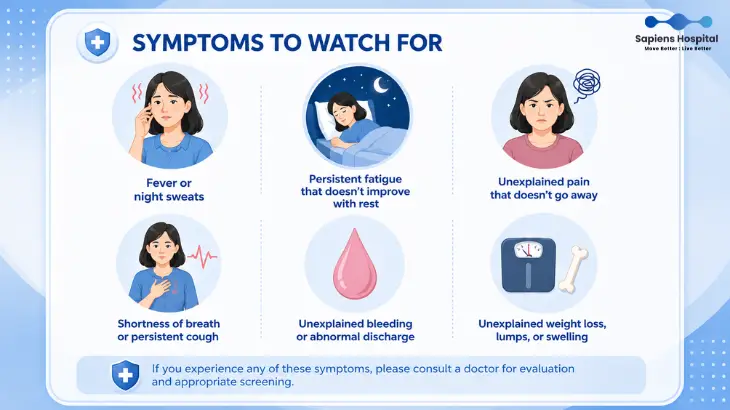
- You have unexplained weight loss, chronic pelvic pain, severe palpitations, chest pain, or shortness of breath.
- You experience menopausal symptoms before the age of 40.
Menopause is a critical window to review your long-term health, not just immediate symptoms. A systematic evaluation ensures hidden conditions are not missed. Screenings should assess:
- Blood pressure, blood sugar, and lipid profiles
- Weight and waist circumference
- Sleep quality and mental health
- Bone density
- Cancer risks (breast, cervical, colorectal) based on age guidelines
- Future fall risks
| Question | Answer |
| At what age does menopause start? | Typically in the late 40s to early 50s. If symptoms occur before age 40, consult a doctor to check for Premature Ovarian Insufficiency or other causes. |
| Do hot flashes need to be treated? | If they are mild, lifestyle adjustments may suffice. If they disrupt your sleep or quality of life, consult a doctor to explore hormonal and non-hormonal options. |
| Is Hormone Replacement Therapy dangerous? | HRT has both benefits and risks, which must be evaluated individually. Risks vary based on the type, dose, duration, route of administration, age of initiation, and whether a progestogen is used (NAMS). |
| Can I use estrogen alone if I still have my uterus? | Generally, no. Unopposed estrogen can overstimulate the uterine lining. Doctors usually prescribe a progestogen alongside estrogen to prevent abnormal thickening. |
| Do I need sleeping pills for menopausal insomnia? | Not necessarily. Identifying the root cause (hot flashes, stress, depression, sleep apnea) and treating it is often more effective than relying solely on sleep medication. |
| Is bleeding after menopause normal? | No. Any postmenopausal bleeding should be evaluated by a doctor to rule out conditions like endometrial thickening, polyps, or other abnormalities. |
| Can I manage symptoms naturally without hormones? | Yes, for some women, optimizing sleep, exercising, controlling weight, limiting alcohol, avoiding triggers, and managing stress can be highly effective. If symptoms persist, consult your doctor about safe, non-hormonal medical options. |
Menopause is a natural transition, but that does not mean you have to silently endure disruptive hot flashes, insomnia, mood swings, or vaginal dryness.
Proper care starts with a thorough evaluation, ruling out other conditions, making lifestyle adjustments, protecting your heart and bones, and personalizing your treatment plan. Most importantly, you do not have to go through menopause alone. Seeking professional guidance can help you maintain your energy, vitality, and long-term health with confidence.
For Inquiries and Appointments Sapiens Hospital | Move Better : Live Better Tel: 02-111-3703
Academic References:
National Institute for Health and Care Excellence. Menopause: identification and management. NICE Guideline NG23. Published 2015, last updated 15 April 2026.
The North American Menopause Society Advisory Panel. The 2022 Hormone Therapy Position Statement of The North American Menopause Society. Menopause. 2022;29:767-794.
American College of Obstetricians and Gynecologists. Hormone Therapy for Menopause.
Lumsden MA, et al. European Society of Endocrinology clinical practice guideline for management and evaluation of menopause and the perimenopause. European Journal of Endocrinology. 2025.