Hantavirus: Know it. Prevent it. Stay Calm
Last updated: 9 Jul 2026
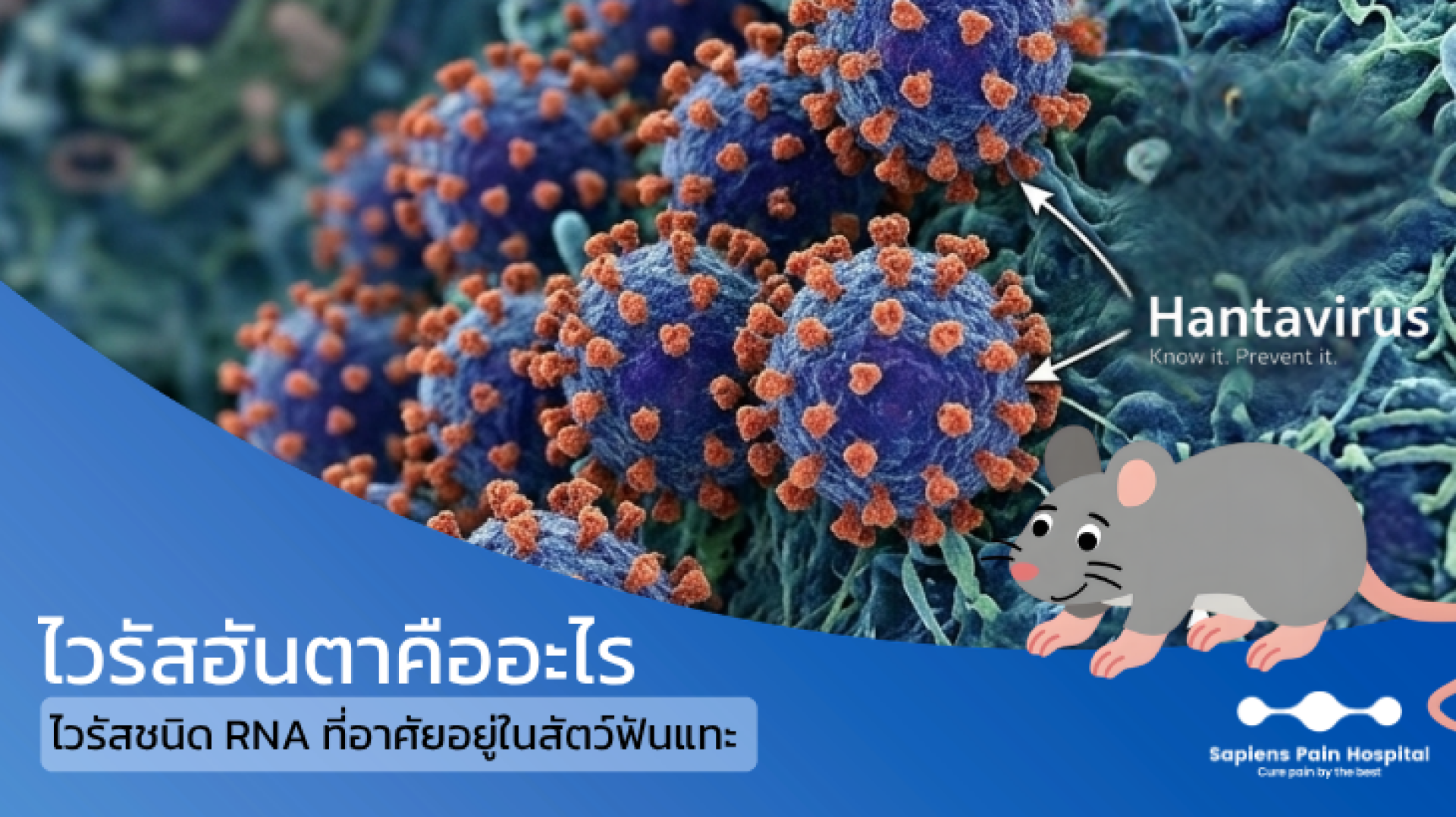
antavirus: Know it. Prevent it. Stay Calm.
Recently, there have been global reports regarding a cluster of Hantavirus cases on a cruise ship. While the World Health Organization (WHO) reported three deaths on the Atlantic cruise ship, the risk in Thailand remains low, with no confirmed cases currently reported.
At Sapiens Hospital, we believe that staying informed is the best way to stay safe. Here is everything you need to know to understand and protect yourself from Hantavirus.
What is Hantavirus?
Hantavirus is an RNA virus carried primarily by rodents.
Transmission occurs through four primary channels:
Symptoms often begin like a common flu but can rapidly become more severe.
Phase 1: Early Symptoms (1–8 weeks after exposure)
Patients may experience high fever, headache, muscle aches, fatigue, nausea, vomiting, or abdominal pain.
Phase 2: Severe Symptoms (Seek immediate medical attention!)
If the condition progresses, the following signs require urgent care:
You can significantly reduce your risk by following these hygiene practices at home:
If you develop a fever and have a history of contact with rodents within the past 8 weeks, or have recently traveled from a high-risk area, see a doctor immediately. Be sure to inform the medical staff of your exposure history.
Sapiens Hospital
Contact Us:
Tel: 02-111-3703
Website: www.sapienspainhospital.com
Facebook: Sapiens Hospital
Recently, there have been global reports regarding a cluster of Hantavirus cases on a cruise ship. While the World Health Organization (WHO) reported three deaths on the Atlantic cruise ship, the risk in Thailand remains low, with no confirmed cases currently reported.
At Sapiens Hospital, we believe that staying informed is the best way to stay safe. Here is everything you need to know to understand and protect yourself from Hantavirus.
What is Hantavirus?
Hantavirus is an RNA virus carried primarily by rodents.
- The rodents themselves do not get sick, but they shed the virus through their urine, droppings, and saliva.
- Humans can become infected through contact with these excretions, though it generally does not spread from person to person.
- There is currently no specific vaccine or antiviral treatment available for Hantavirus.
- Hantavirus Pulmonary Syndrome (HCPS): Common in the Americas, this affects the lungs, causing pulmonary edema and difficulty breathing. It has a high mortality rate of 30–50%.
- Hemorrhagic Fever with Renal Syndrome (HFRS): Common in Asia and Europe, this causes hemorrhagic fever and acute kidney failure. The mortality rate ranges from 1–15%.
Transmission occurs through four primary channels:
- Inhalation (Main Route): Breathing in dust or mists contaminated with rodent urine or droppings.
- Direct Contact: Touching contaminated materials and then touching your eyes, nose, or open wounds.
- Contaminated Food/Water: Consuming food or water tainted with rodent secretions.
- Person-to-Person: This is extremely rare and has only been documented with the Andes virus strain.
Symptoms often begin like a common flu but can rapidly become more severe.
Phase 1: Early Symptoms (1–8 weeks after exposure)
Patients may experience high fever, headache, muscle aches, fatigue, nausea, vomiting, or abdominal pain.
Phase 2: Severe Symptoms (Seek immediate medical attention!)
If the condition progresses, the following signs require urgent care:
- Shortness of breath or difficulty breathing.
- Decreased urination.
- Unexplained bruising or small red spots on the skin (petechiae).
- Low blood pressure.
You can significantly reduce your risk by following these hygiene practices at home:
- Seal Your Home: Close any gaps or holes where mice could enter and keep trash bins tightly sealed.
- Store Food Safely: Keep all food in chew-proof, airtight containers.
- Use Wet Cleaning Methods: Never sweep or vacuum areas with rodent droppings, as this kicks up dust. Instead, use a wet cloth to wipe surfaces.
- Disinfect First: Spray areas with disinfectant before cleaning them.
- Wear Protection: Always wear a mask and gloves when cleaning potential rodent-infested areas.
If you develop a fever and have a history of contact with rodents within the past 8 weeks, or have recently traveled from a high-risk area, see a doctor immediately. Be sure to inform the medical staff of your exposure history.
Sapiens Hospital
Contact Us:
Tel: 02-111-3703
Website: www.sapienspainhospital.com
Facebook: Sapiens Hospital
Related Content

Pelvic floor muscles are a frequently overlooked source of chronic pelvic pain. Patients may present with lower pelvic or lower abdominal pain, perineal pain, painful urination (dysuria), pain during bowel movements (dyschezia), and pain during sexual intercourse (dyspareunia).
2 Jul 2026

รู้จักเทคโนโลยีรักษาอาการปวดเรื้อรังที่ปลายประสาท ลดอาการปวดได้อย่างปลอดภัย โดยไม่ทำลายโครงสร้างเส้นประสาท เหมาะสำหรับผู้ที่ไม่ตอบสนองต่อการรักษาแบบเดิม
27 May 2025

หากข้อเท้าพลิกแล้วไม่หายภายใน 3 เดือน อาจมีปัญหาที่ต้องการการรักษาที่ตรงจุด รู้จักกับวิธีการรักษาและการฟื้นฟูอาการที่เหมาะสมเพื่อให้หายเร็วขึ้น
30 May 2025
