Abnormal Vaginal Discharge, Itching, and Odor: Causes and When to See a Doctor
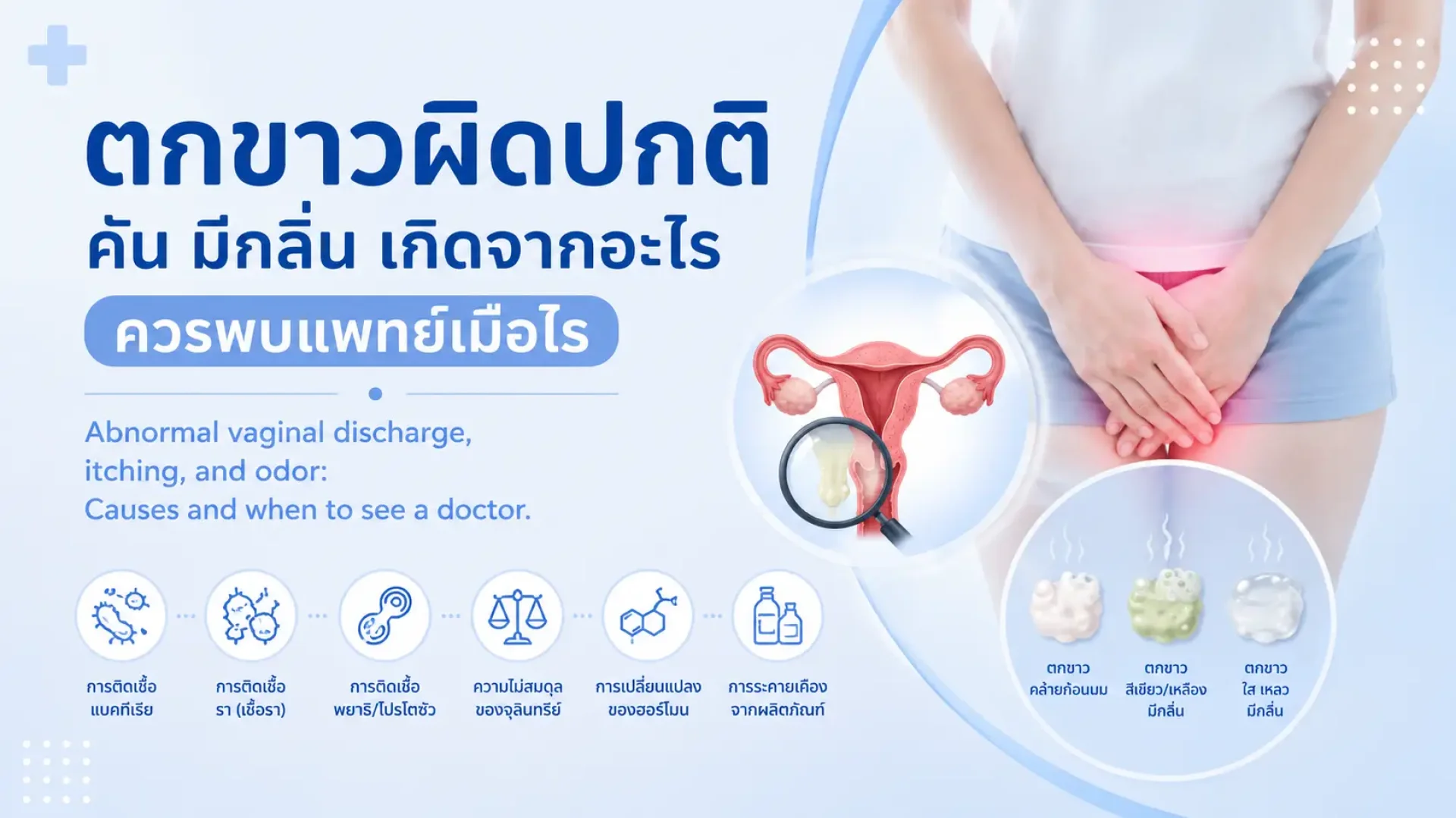
Vaginal discharge is a natural occurrence for almost all women, and in most cases, it is completely normal. The vagina produces secretions to maintain moisture, balance the microbiome, and prevent infections. This discharge can fluctuate depending on your menstrual cycle, hormones, pregnancy, contraceptive use, stress, or changes during different life stages.
Normal vs. Abnormal Discharge
| Normal Discharge | Abnormal Discharge |
| Clear, slightly milky white, or mucus-like | Yellow, green, gray, or blood-tinged |
| No strong or foul odor | Strong or fishy odor |
| No itching, burning, or pain | Severe itching, burning, swelling, or pain in the genital area |
| May increase in volume during ovulation or before periods | Accompanied by pain during urination or intercourse |
When discharge changes and feels abnormal, it should not be ignored. According to the CDC, most women will experience vaginal infections with symptoms like itching, burning, or odor at some point in their lives. Medical history alone is often insufficient for an accurate diagnosis; a physical examination and laboratory tests are usually necessary when symptoms arise.
What Causes Abnormal Vaginal Discharge?
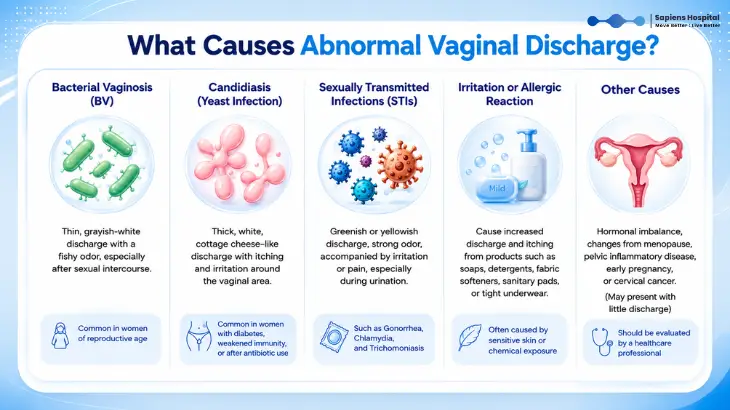
The causes range from common infections to irritations or cervical diseases. According to CDC guidelines, the most common causes of itching, burning, or odor include bacterial vaginosis, trichomoniasis, and vulvovaginal candidiasis (yeast infections). Cervicitis (inflammation of the cervix) can also cause abnormal discharge.
Vaginal Yeast Infection (Vulvovaginal Candidiasis)
Yeast infections are often the first thing people think of when experiencing itching, but not all itching is caused by yeast.
- Common symptoms: Severe itching, burning, and irritation around the vulva, accompanied by thick, white discharge that resembles cottage cheese or yogurt. Some may also experience burning during urination or pain during sex.
- Prevalence: The CDC notes that about 75% of women will have a yeast infection at least once in their lifetime, and 40–45% will have it two or more times.
- Risk factors: Use of certain antibiotics, uncontrolled diabetes, pregnancy, compromised immunity, dampness, or genital irritation. However, it can occur without any obvious triggers.
- Warning: Avoid repeatedly buying over-the-counter anti-fungal suppositories every time you itch. If the real cause isn't yeast, the medication won't work, potentially delaying a proper diagnosis.
BV is not a yeast infection or a straightforward sexually transmitted disease (STD). It is a condition where the normal balance of vaginal bacteria is disrupted, causing an overgrowth of certain bacterial groups.
- Common symptoms: Thin white, gray, or cloudy discharge with a fishy odor, especially after intercourse or menstruation. Some experience mild irritation, while others may not have severe itching.
- Diagnosis: The CDC notes that a vaginal pH higher than 4.5 is common in BV or trichomoniasis. In a clinical setting, checking pH along with a KOH test and microscopic examination helps pinpoint the cause.
- Warning: Many women mistakenly douche to eliminate the odor. The CDC advises that douching can actually increase the risk of recurrence and is not proven to treat or alleviate BV symptoms.
Trichomoniasis is an STD caused by the parasite Trichomonas vaginalis.
- Common symptoms: Abnormal discharge with a strong odor, itching, burning, painful urination, or pain during sex. Some may have frothy, yellow-green discharge. However, many infected individuals show no obvious symptoms.
- Treatment: The World Health Organization (WHO) emphasizes that care must cover diagnosis, treatment, and prevention of transmission. Treatment must often include your sexual partner to prevent a cycle of reinfection.
Sometimes abnormal discharge stems directly from an inflamed cervix (cervicitis), which may be linked to infections like chlamydia or gonorrhea.
- Common symptoms: Abnormal discharge, spotting between periods, or bleeding after intercourse.
- Complications: If accompanied by lower abdominal pain, fever, pain during sex, or pelvic tenderness, it could indicate Pelvic Inflammatory Disease (PID). If left untreated, PID can lead to infertility or ectopic pregnancies in the future.
Itching, burning, or abnormal discharge is not always caused by an infection.
- Common irritants: Soaps, perfumes, panty liners, feminine washes, deodorant sprays, laundry detergents, fabric softeners, certain condoms, lubricants, or douching.
- Menopause: In postmenopausal women, vaginal dryness due to decreased estrogen can cause burning, itching, pain during sex, or changes in discharge odor. This requires different care than an infection, so do not self-treat with antibiotics.
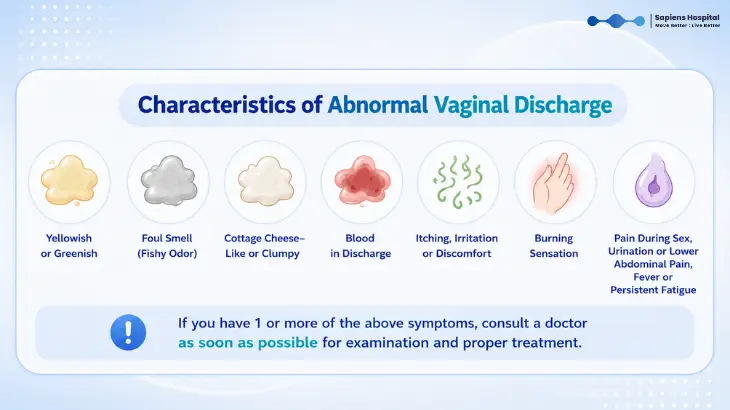
Seek medical attention to determine the cause if you experience any of the following warning signs:
- Discharge that is yellow, green, gray, or contains blood.
- A strong, foul, or unusual odor.
- Severe itching, burning, redness, or swelling of the genital area.
- Burning during urination, pain during sex, lower abdominal pain, fever, or bleeding after sex.
- Recurrent symptoms that keep returning after self-treatment.
- Symptoms that do not improve within a few days of treatment.
- New sexual partners coinciding with the onset of abnormal symptoms.
- For pregnant women: If you have odorous discharge, itching, burning, pelvic pain, bleeding, or suspect amniotic fluid leakage, consult a doctor immediately. Do not buy suppositories to use on your own, as infections during pregnancy require careful medical management
.
Many people feel embarrassed to see a doctor and opt to buy suppositories, anti-fungals, antibiotics, or vaginal washes themselves. However, the symptoms of yeast infections, BV, trichomoniasis, cervicitis, and simple irritation often overlap.
Treating the wrong cause can lead to unresolved symptoms, chronic recurrences, or a worsening infection. Unnecessary use of antibiotics increases the risk of drug resistance and further disrupts vaginal balance. Harsh cleaning products or douching will only irritate the vagina more. The CDC emphasizes that medical history alone is insufficient; physical exams and lab tests are crucial for an accurate diagnosis.
What to Expect During a Doctor's Visit
- Thorough Medical History: The doctor will ask how long you've had symptoms, how the color, odor, and volume of the discharge have changed, and if you have itching, pain, bleeding, or urinary discomfort. They will also ask about your use of feminine products, sexual history, and whether you might be pregnant.
- Pelvic Examination: The doctor will inspect the discharge, vaginal walls, cervix, and look for sores, bumps, inflammation, or abnormal bleeding.
- Laboratory Tests: A discharge sample may be collected for pH testing, wet mount, KOH test, microscopy, or sent for further testing (like NAAT for trichomonas, chlamydia, or gonorrhea) based on indications.
There is no single "cure-all" medication. Treatment must be tailored to the specific diagnosis:
- Yeast Infections: Treated with vaginal anti-fungal suppositories or oral medications. Recurrent cases, severe infections, or cases involving pregnancy or diabetes may require specialized treatment plans.
- Bacterial Vaginosis (BV): Typically treated with metronidazole or clindamycin. You should abstain from sex or use condoms correctly during treatment and avoid douching.
- Trichomoniasis: Treated as an STD; sexual partners must also be treated simultaneously to prevent reinfection.
- Cervicitis / STDs: Requires specific treatments for the identified pathogen, along with appropriate STD screening.
- Irritation: The main treatment is stopping the use of the irritant, practicing gentle hygiene, and avoiding harsh chemicals—not repeatedly using antibiotics.
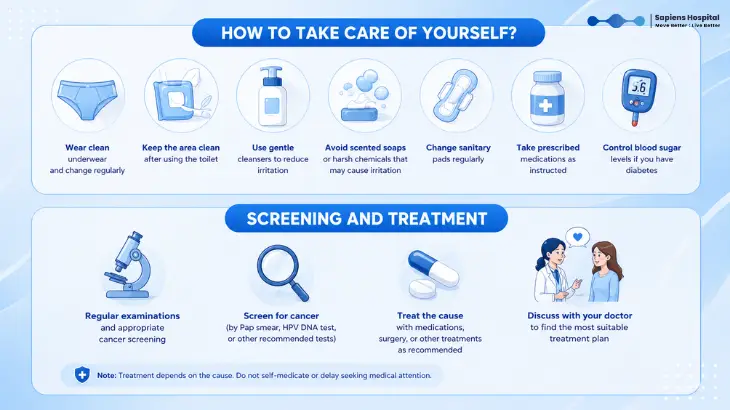
- Practice gentle hygiene: The vagina has a self-cleaning system. Douching or using frequent disinfectants disrupts good bacteria and worsens symptoms. Wash the external vulva only with clean water or mild, external-use products.
- Avoid irritants: Skip perfumes, deodorant sprays, and powders in the genital area.
- Stay dry and breathable: Wear breathable underwear, avoid dampness, and change sanitary pads regularly.
- Wipe correctly: Always wipe from front to back after using the toilet to prevent bringing bacteria from the anus to the vagina.
- Practice safe sex: Use condoms, especially when there is a risk or with new partners. If an STD is suspected, ensure your partner is tested and treated as advised by a doctor. Avoid unprotected sex while experiencing symptoms or undergoing treatment.
Most abnormal discharge is caused by infections or inflammation, not cancer. However, if you experience blood-tinged discharge, a chronic foul odor, bleeding after sex, or postmenopausal bleeding, you should consult a doctor for a thorough examination, especially if you haven't had a cervical cancer screening in a long time.
Regular Pap smears or HPV tests based on your age are essential even without symptoms, as precancerous cervical changes often have no clear early signs. Abnormal discharge is a good opportunity to review whether you are due for your screening.
Frequently Asked Questions (FAQs)
- What does normal discharge look like?
Normal discharge is usually clear, slightly milky white, or mucus-like. It has no strong odor, does not cause itching or burning, and may change depending on your menstrual cycle, especially around ovulation or before your period.
- What causes discharge with a fishy odor?
This is often indicative of Bacterial Vaginosis (BV), particularly if the odor is noticeable after sex or menstruation. However, you should get tested to confirm, as abnormal odors can have other causes. - Does vaginal itching always mean a yeast infection?
Not always. While yeast is a common cause, itching can also be triggered by BV, trichomoniasis, irritation, allergic reactions to products, dermatitis, or vaginal dryness during menopause. - Is yellow or green discharge dangerous?
You should see a doctor. This may be linked to infections like trichomoniasis or other STDs, especially if accompanied by odor, itching, burning, painful urination, or lower abdominal pain. - Can I buy vaginal suppositories to treat myself?
If you have previously been diagnosed with a yeast infection by a doctor and your symptoms are exactly the same, you might follow past advice in certain cases. However, if this is your first time, if symptoms recur often, if you have a strong odor, abnormal color, pelvic pain, or are pregnant, you should see a doctor. Do not repeatedly self-treat. - Does my partner need to be treated too?
It depends on the cause. For trichomoniasis and STDs, partners generally must be treated. For BV and yeast infections, treating the partner is typically not required unless the doctor sees specific indications. - What should pregnant women do if they have abnormal discharge?
See a doctor. Do not buy over-the-counter suppositories or oral medications. Certain infections during pregnancy require safe medication choices and an evaluation of other symptoms like abdominal pain, bleeding, or potential water breaking.
For Inquiries and Appointments: Sapiens Hospital | Move Better : Live Better Tel: 02-111-3703
Academic References:
Centers for Disease Control and Prevention. Sexually Transmitted Infections Treatment Guidelines, 2021. Diseases characterized by vulvovaginal itching, burning, irritation, odor or discharge.
Centers for Disease Control and Prevention. Sexually Transmitted Infections Treatment Guidelines, 2021. Bacterial Vaginosis.
Centers for Disease Control and Prevention. Sexually Transmitted Infections Treatment Guidelines, 2021. Vulvovaginal Candidiasis.
Centers for Disease Control and Prevention. Sexually Transmitted Infections Treatment Guidelines, 2021. Urethritis and Cervicitis.
American College of Obstetricians and Gynecologists. Vaginitis. Patient FAQ.
American College of Obstetricians and Gynecologists. Vaginitis in Nonpregnant Patients. Practice Bulletin No. 215. Obstetrics & Gynecology. 2020.
World Health Organization. Guidelines for the management of symptomatic sexually transmitted infections. 2021.