Lower abdominal pain during menstruation
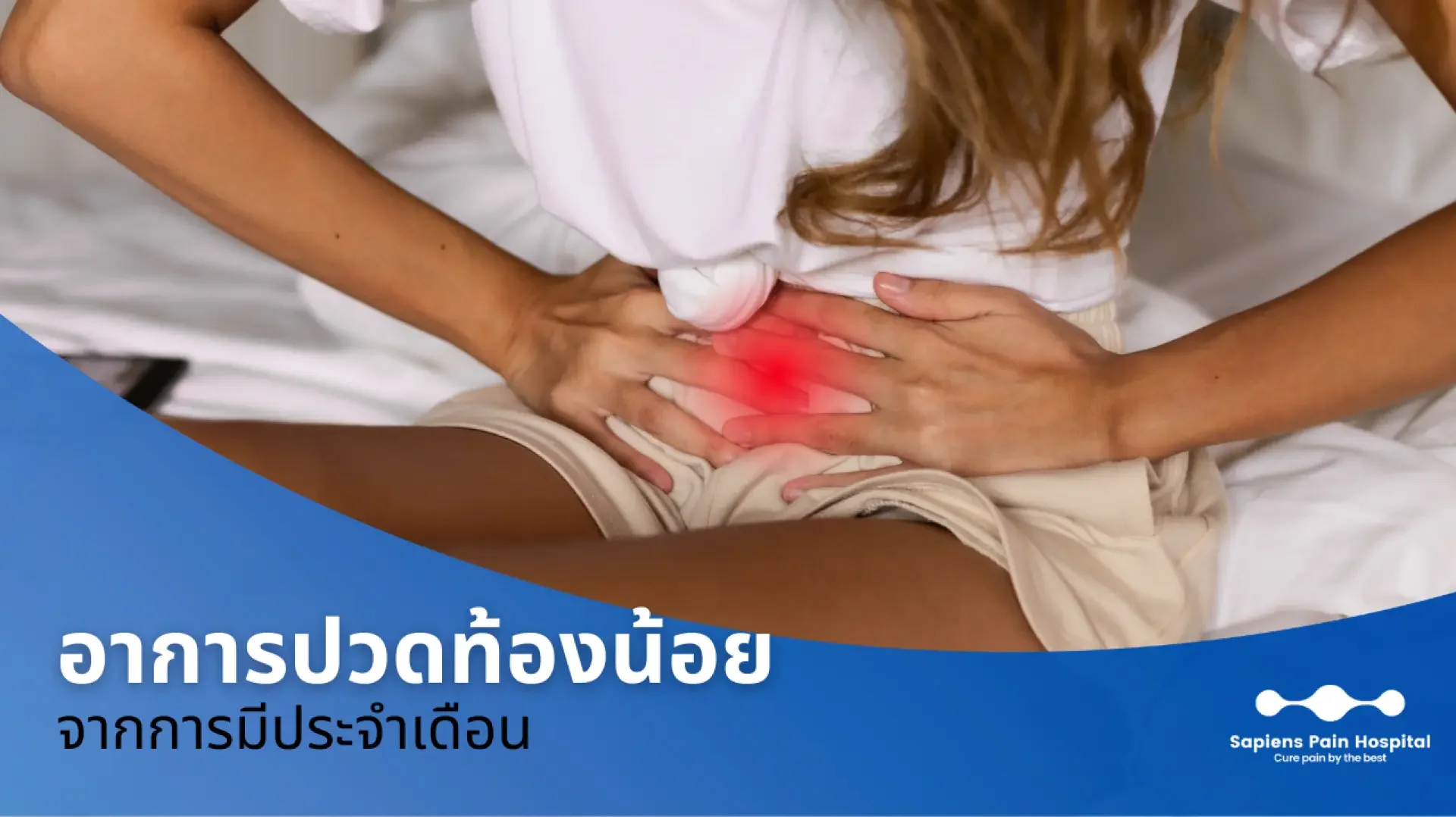
Causes and Treatment Guidelines by Sapiens Pain Hospital
1. Understanding Primary vs. Secondary Dysmenorrhea
- Primary Dysmenorrhea: Caused by an overproduction of prostaglandins, which leads to severe contractions of the uterine muscles. This results in cramping, loose stools (diarrhea), or nausea.
- Secondary Dysmenorrhea: Caused by underlying ovarian or uterine conditions, such as endometriosis, uterine fibroids, adenomyosis, or Pelvic Inflammatory Disease (PID).
- In primary cases: The release of prostaglandins stimulates uterine contractions and reduces blood flow, leading to severe cramping pain.
- In secondary cases: The pain arises from structural conditions, such as lesions or blockages in the pelvic area, resulting in prolonged or progressively worsening pain over time.
- NSAIDs: Medications like ibuprofen are the first-line treatment with clear evidence of effectively reducing pain (for primary dysmenorrhea).
- Hormonal Contraceptives: Oral contraceptives or progestin-only pills help regulate hormones, reduce menstrual flow, and alleviate pain (for both primary and secondary dysmenorrhea).
- Lifestyle Management: Practices such as heat therapy, aerobic exercise, yoga, or massage are beneficial complementary options (moderate to large effects).
- Targeted Medical Therapy: In suspected cases of endometriosis or adenomyosis, GnRH analogues or a hormonal IUD may be used for long-term control.
- Surgery: For large endometriomas/adenomyosis or severe conditions, laparoscopic surgery may be considered, yielding excellent results in pain relief.
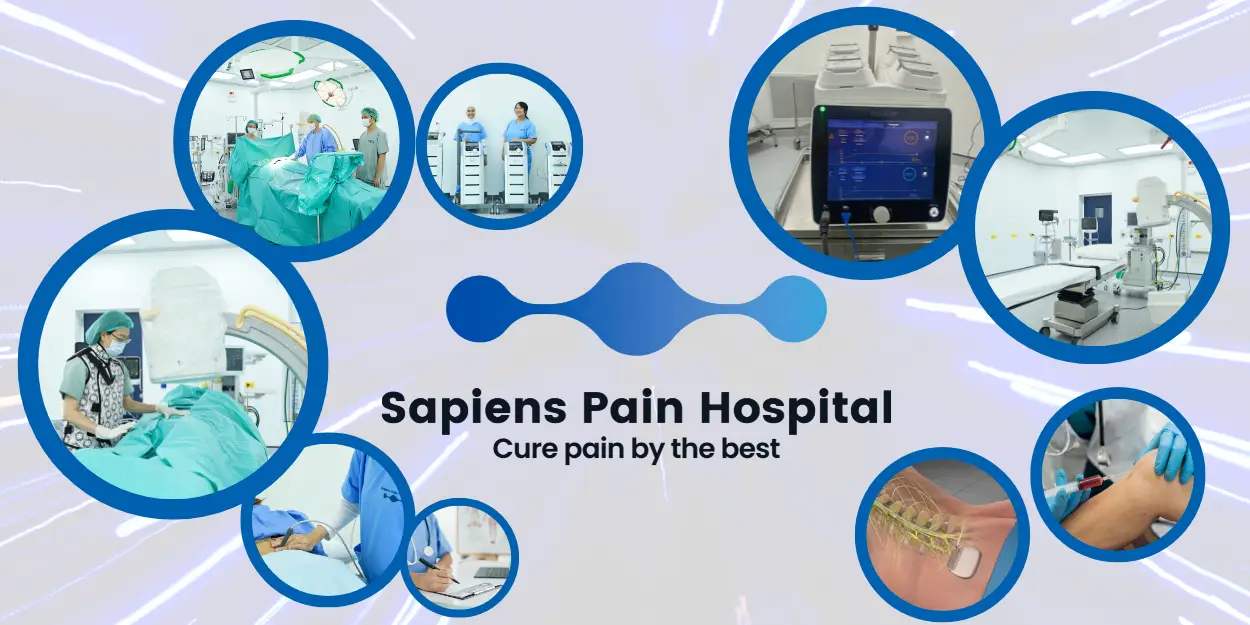
4. Sapiens Pain Hospital's Specialized Approach
Sapiens Pain Hospital understands that the core of treating lower abdominal pain goes beyond just medication; it requires comprehensive care that integrates medical science and psychology, alongside advanced technology for precise diagnosis and follow-up.
4.1. Thorough Assessment & Structural Analysis
Utilizing MSK pelvic dynamic ultrasound scans and MRIs (if clearly indicated) to check for endometriosis, adenomyosis, fibroids, or PID.
4.2. Primarily Non-Surgical Treatments
- Using NSAIDs in conjunction with heat therapy, exercise programs, mindfulness, or CBT (Cognitive Behavioral Therapy) for emotional and daily life support.
- Administering local steroid or PRP injections for acute pain relief.
- For endometriosis cases, prescribing tailor-made hormonal contraceptives or utilizing a Mirena IUD for symptom control.
- Incorporating TENS, Pelvic floor rehab, and Myofascial release therapy to deeply relax muscles and provide supplementary pain relief.
4.3. Surgery Considered Only When Necessary
- For severe secondary dysmenorrhea or cases with complications (e.g., heavy bleeding or localized neuralgia), utilizing laparoscopic lesion excision or adenomyomectomy.
- Post-operative recovery includes hormonal therapy and a tailored rehab plan to prevent recurrence.
4.4. Holistic Care Services
- A multidisciplinary team comprising gynecologists, physical therapists, psychiatrists, and pain specialists.
- Utilizing an ERP system for long-term patient follow-up, restoring quality of life, and reducing absenteeism from work or daily activities.
- Offering a Women Wellness Clinic program aimed at providing comprehensive health care in a single center.
4.5. Why Choose Sapiens Pain Hospital?
We want all women to know that pelvic pain is not something you should have to endure alone. Sapiens Pain Hospital is ready to be a care center that deeply understands your issues—physically, mentally, and structurally. We stand out by seamlessly integrating medical knowledge, modern treatment technologies, and rehabilitation programs to help you truly regain your quality of life.
When experiencing lower abdominal pain or menstrual cramps, it should not be dismissed as just a "normal" part of life. Start taking care of your quality of life here. Sapiens Pain Hospital is the first answer you can trust.