Why the elderly should avoid spinal surgery for back pain and herniated discs.
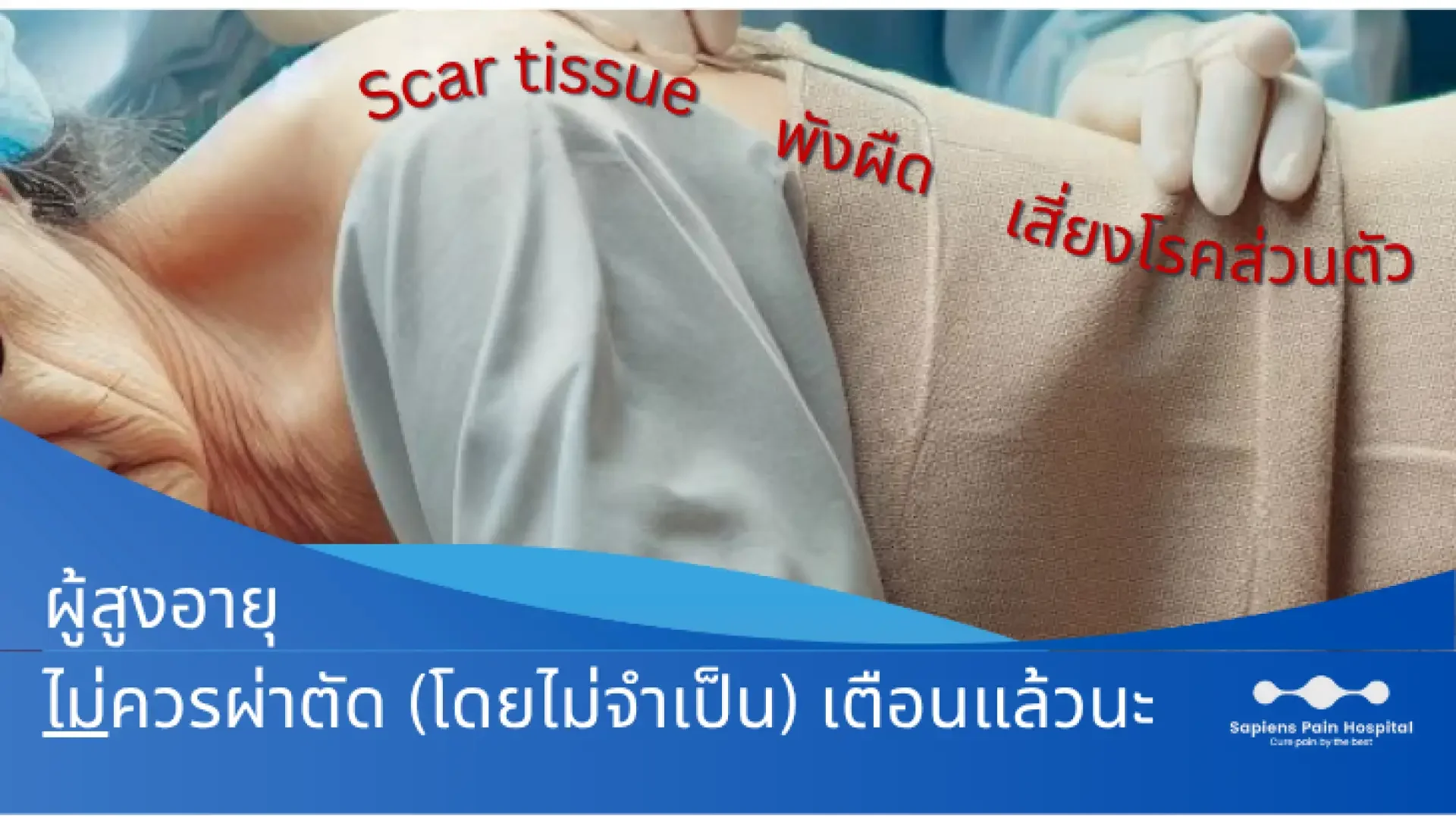
In alignment with Sapiens Hospital’s philosophy, we always emphasize to our patients—especially older adults—that surgery should be the absolute last resort. We highly recommend exploring other advanced pain management options first, such as steroid injections or radiofrequency ablation (RFA), as the optimal initial approach.
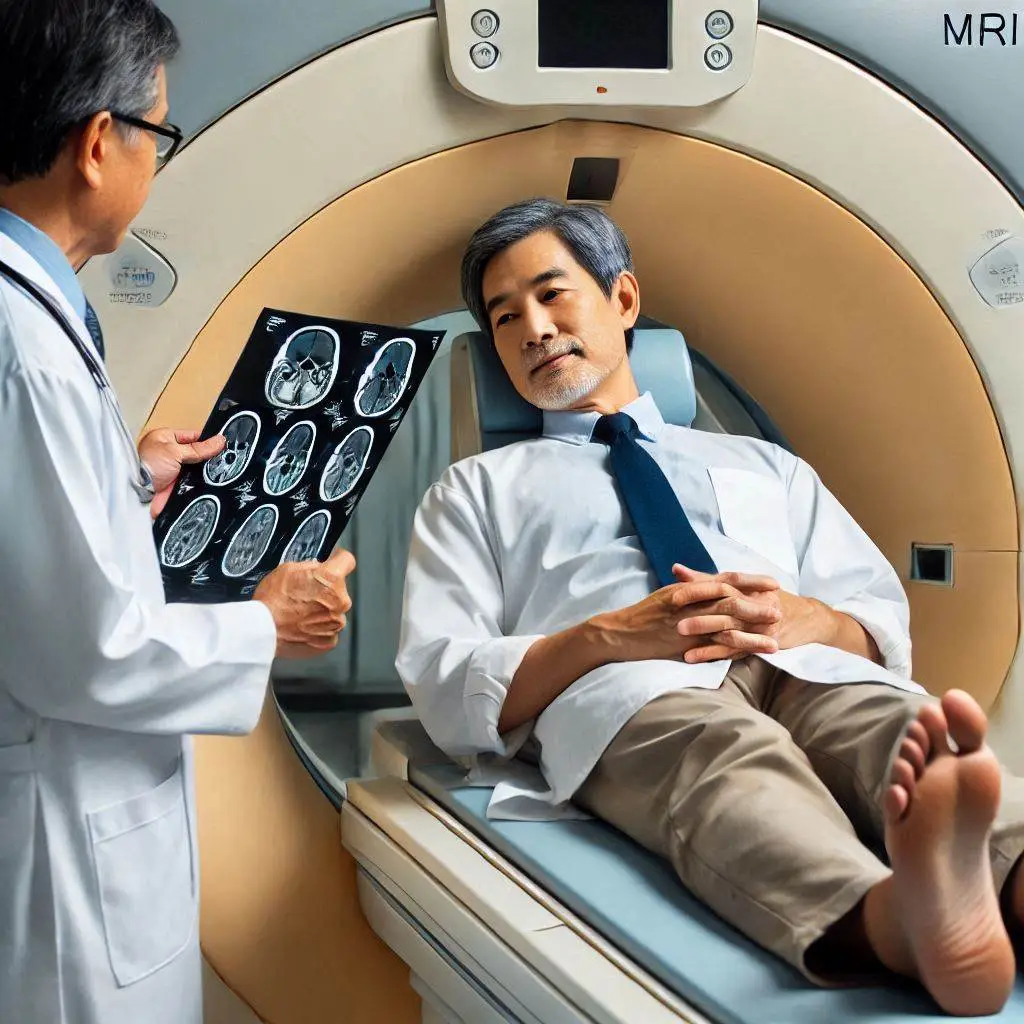
Why Unnecessary Surgery and General Anesthesia Should Be Avoided
1. Scar Tissue and Tissue Trauma
Any surgical incision and subsequent suturing lead to tissue trauma and scar tissue formation. In younger patients, tissues are resilient and elastic, much like healthy skin. However, as we age, our internal tissues degrade. In older adults, these interior layers act like deep, internal bruising that takes significantly longer to heal and recover.
2. Risks from Underlying Medical Conditions
Most elderly patients suffer from multiple chronic conditions—such as hypertension (high blood pressure), diabetes, cardiovascular disease, and kidney disease. These conditions directly and severely impact surgical safety:
- Hypertension: Patients with poorly controlled high blood pressure risk sudden, dangerous spikes in blood pressure during surgery, which can trigger catastrophic complications like a stroke or a heart attack.
- Diabetes: Fluctuating blood sugar levels in diabetic patients compromise the healing process, leading to delayed wound recovery and a much higher risk of post-operative infections compared to the general population.
- Cardiovascular Disease: Because an older adult's heart and blood vessels already operate with reduced efficiency, the combined stress of surgery and general anesthesia forces the heart to work harder. This increases the risk of dangerous arrhythmias (irregular heartbeats) or myocardial ischemia (heart attack).
3. Adverse Effects of General Anesthesia
Administering general anesthesia to seniors is far more challenging than to younger patients. As the liver and kidneys age, their ability to metabolize and clear anesthetic drugs from the body declines. Consequently, the effects of anesthesia linger much longer, resulting in delayed waking, post-operative confusion, or temporary memory loss (Post-Operative Cognitive Dysfunction). Furthermore, seniors face a higher risk of respiratory complications, such as pneumonia or atelectasis (collapsed lung).
4. Prolonged Post-Operative Recovery
Older adults require a significantly longer recovery period compared to younger individuals, particularly regarding mobility, muscle strength, and cognitive rebound. Being bedridden or restricted in movement for extended periods rapidly accelerates muscle wasting (atrophy) and elevates the risk of severe complications, including Deep Vein Thrombosis (DVT/blood clots in the legs) and pressure ulcers (bedsores).
5. The Law of Biomechanical Compensation: A Cycle of Endless Surgeries
The cervical (neck) and lumbar (back) spine consist of interlocking joints stacked on top of one another. When a degenerated disc or joint is surgically modified, the body’s natural biomechanical balance shifts, forcing neighboring joints to bear the excess weight and stress of daily activities like sitting and standing. This compensation often triggers accelerated wear and tear on the adjacent levels, trapping the patient in a vicious, never-ending cycle of subsequent spinal surgeries.
6. Exorbitant Financial Burden
Every surgical procedure involves complex steps, specialized medical teams, and high-tech equipment, resulting in substantial costs—typically ranging from 300,000 to 500,000 THB per surgery, depending on the hospital and the specialist. If the initial surgery fails to resolve the root issue, these medical expenses can quickly spiral out of control.
Conclusion: Undertaking unnecessary surgery in elderly patients often sparks a domino effect of chronic health issues. Patients frequently find themselves trapped in an agonizing, endless loop of Physical Therapy ➔ Breaking Down Scar Tissue ➔ Repeat Surgery.

Our Principles of Pain Treatment
We firmly believe in the harmony and balance between bones and muscles. When joint or bone pain occurs, we can effectively treat it using the following core principles:
1. Pain Management First
Our primary goal is to alleviate your pain so that you can move your body as close to normal as possible without discomfort. This is crucial because if your body is stiff, aching, or experiencing shooting pain, it is impossible to exercise or undergo rehabilitation effectively.
2. Building Stronger Muscles
Muscles play a vital role in supporting our entire body structure. Without sufficient muscle mass, the daily physical weight and impact from various movements will fall directly and entirely onto your bones, spine, and joints. Our doctors will guide you through tailored exercise programs, physical therapy, and nutritional plans designed specifically to rebuild and strengthen your muscles.
3. Minimal to Zero Risk
Because our treatments rely on targeted injections or minimally invasive procedures, they do not cause tissue trauma or scar tissue. This makes the approach exceptionally safe for elderly patients, even those with multiple underlying medical conditions.
4. Immediate Results with No Downtime
Patients experience rapid pain relief and improved mobility almost immediately. This stands in sharp contrast to spinal surgery, which requires extensive downtime, prolonged physical therapy, and strict movement restrictions to prevent the surgical wounds from tearing—often taking months before the final outcome is known.
5. Cost-Effectiveness
- Highly Economical for Most Patients: For the majority of our patients, this treatment approach costs only 1/5 to 1/3 of the price of surgery. They recover completely, enjoy a great quality of life, and rarely need to return for further treatment.
- Comparable Cost in Complex Cases: For patients with complex conditions—such as severe bone degeneration, osteoporosis, a fragile physical state, or a lifestyle too busy to allow for regular exercise—additional maintenance treatments may be required. Over a 3-year period, the total cost for these specific cases may become comparable to a single surgery.
Our Standpoint: Please note that Sapiens Hospital does not oppose surgical treatments. However, we firmly believe that surgery should always be considered the absolute last resort—utilized only when it is truly necessary.
Risk Comparison: Surgical vs. Non-Surgical Treatment
| Risk Factors | Surgical Treatment | Non-Surgical Treatment by Sapiens Hospital |
| Tissue Trauma | High risk of internal tissue trauma and scar tissue formation. The older the patient, the more severe the trauma. | No risk of tissue trauma or scar tissue. |
| Underlying Conditions | Hypertension, diabetes, and cardiovascular diseases pose high surgical risks due to the physical incisions and wounds. | Tiny incisions mean virtually no impact on underlying medical conditions. |
| General Anesthesia | General anesthesia can cause side effects such as confusion and memory loss, or respiratory complications (atelectasis, pneumonia). The risks are much higher in seniors. | No general anesthesia required. |
| Post-Treatment Recovery | The older the patient, the slower the recovery in mobility and cognitive function. Higher risk of Deep Vein Thrombosis (DVT) in the legs or pressure ulcers (bedsores). | Patients feel better within the same day of treatment, followed smoothly by physical mobility rehabilitation. |
| Endless Treatment Cycle | Spinal surgery shifts physical weight and stress to neighboring joints, leading to further wear, chronic pain, and a cycle of endless surgeries. | Focuses solely on mobility rehab. If pain recurs, additional maintenance is provided. Over a 9-month to 3-year period (depending on the technique), many patients fully recover. |
| Cost | Surgical costs depend on individual cases, doctor’s reputation, and surgical equipment/techniques, making it highly expensive at 300,000 - 500,000 THB per procedure. | Non-surgical pain treatment costs only 1/5 to 1/3 of the total cost of surgery. |
For further inquiries or to view real patient reviews and success stories, please click the link below.