Playing too hard? Watch out for the 5 most common tennis injuries!
Last updated: 9 Jul 2026
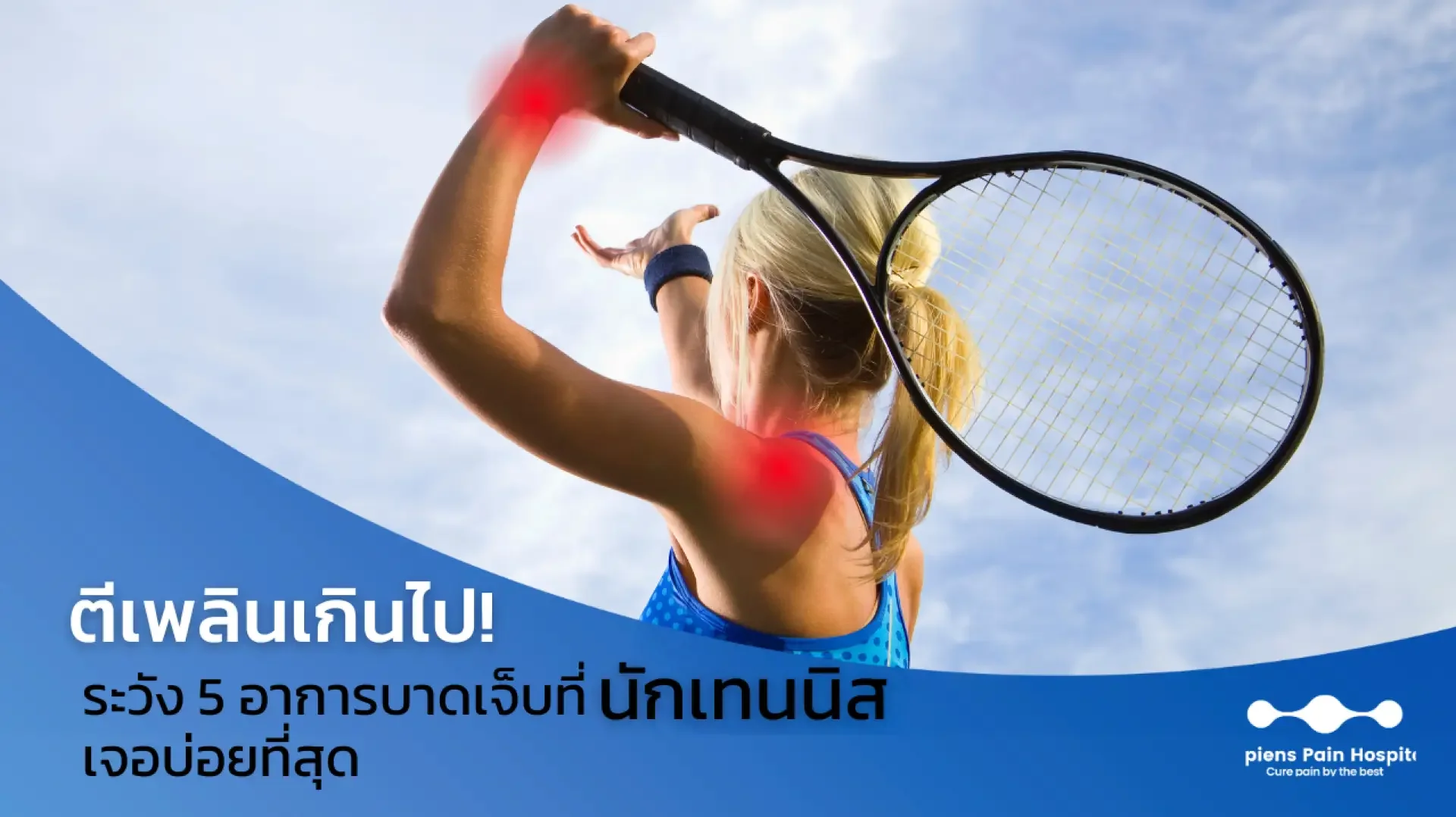
Playing Too Hard? Watch Out for the 5 Most Common Tennis Injuries!
Tennis is a sport that demands both explosive power and repetitive movements—whether you are serving, hitting topspin, or darting across the court. This exerts continuous stress on joints, muscles, and tendons. For regular players and competitive athletes, tennis injuries often develop gradually, accumulating over time until they become major issues—especially chronic right shoulder pain.
As a leader in sports medicine and specialized pain management, Sapiens Hospital believes that effective treatment must begin with a precise understanding of biomechanics and pain pathways. We design unique diagnostic and treatment pathways tailored specifically to each sport, incorporating precision intervention, neuromodulation, and neuromuscular integration rehabilitation.
This article explores the 5 most common tennis injuries and the specialized treatment approaches offered by Sapiens Hospital.
1. Tennis Elbow (Lateral Epicondylitis)
Tennis is a sport that demands both explosive power and repetitive movements—whether you are serving, hitting topspin, or darting across the court. This exerts continuous stress on joints, muscles, and tendons. For regular players and competitive athletes, tennis injuries often develop gradually, accumulating over time until they become major issues—especially chronic right shoulder pain.
As a leader in sports medicine and specialized pain management, Sapiens Hospital believes that effective treatment must begin with a precise understanding of biomechanics and pain pathways. We design unique diagnostic and treatment pathways tailored specifically to each sport, incorporating precision intervention, neuromodulation, and neuromuscular integration rehabilitation.
This article explores the 5 most common tennis injuries and the specialized treatment approaches offered by Sapiens Hospital.
1. Tennis Elbow (Lateral Epicondylitis)
- Symptoms: Pain on the outer side of the elbow, particularly when twisting the wrist or gripping the racket tightly. This is caused by overusing the forearm extensor muscles (specifically the ECRB).
- Sapiens Treatment Approach:
- Eccentric Loading + Neuromuscular Reeducation programs.
- Ultrasound-guided Platelet-Rich Plasma (PRP) injections.
- If no improvement is seen within 6 weeks, ESWT (Extracorporeal Shockwave Therapy) combined with TENS is utilized.
- Rehabilitation programs led by specialized sports physical therapists.
- Symptoms: Chronic shoulder pain, especially when raising the arm overhead, such as during a serve. This results from the degeneration of the supraspinatus and infraspinatus tendons.
- Sapiens Treatment Approach:
- Diagnostic evaluation via Musculoskeletal (MSK) Dynamic Ultrasound Scan.
- Tendon unloading program + TENS-IFC + Cryotherapy.
- High-volume, ultrasound-guided steroid injections.
- For chronic cases lasting more than 3 months, Arthroscopic Subacromial Decompression may be considered.
- Symptoms: The ankle rolls or twists during sudden stops or rapid changes of direction. This frequently occurs in the lateral ligaments (ATFL, CFL).
- Sapiens Treatment Approach:
- Ligament evaluation using Point-of-Care Ultrasound.
- Balance-Proprioception Rehab + Manual Therapy.
- PRP (Platelet-Rich Plasma) injections to accelerate tendon and ligament healing.
- For cases involving chronic ankle instability, Ankle Arthroscopy + Ligament Reconstruction are considered.
- Symptoms: Pain at the front of the knee, just below the kneecap, especially during jumping, lunging, or heavy impact—such as when volleying at the net.
- Sapiens Treatment Approach:
- Functional Bracing + Ultrasound-EMG Biofeedback.
- Combined with Dry Needling or Tenotomy (for chronic cases).
- Focused Shockwave Therapy if the injury is in the tendinosis stage.
- For chronic, non-responsive cases: Arthroscopic Debridement or excision of neovascular tissue.
- Symptoms: Deep, localized pain in the leg or shin, usually occurring in the tibia or navicular bone. This is common among players who train heavily (more than 4-5 times a week) without adequate rest.
- Sapiens Treatment Approach:
- Evaluation via low-dose MRI or 3-phase Bone Scan.
- PEMF (Pulsed Electromagnetic Field) Therapy to accelerate bone recovery.
- Specialized physical therapy combined with walking/running biomechanics analysis.
- Severe cases: Custom orthotics or off-loading boots, with follow-up X-rays every 3-6 weeks.
Why Choose Sapiens Hospital?
Sapiens Hospital is more than just a hospital; we are a comprehensive hub for Sports Medicine + Pain Intervention + Recovery, merging cutting-edge technology with a deep, sport-specific understanding of each athlete.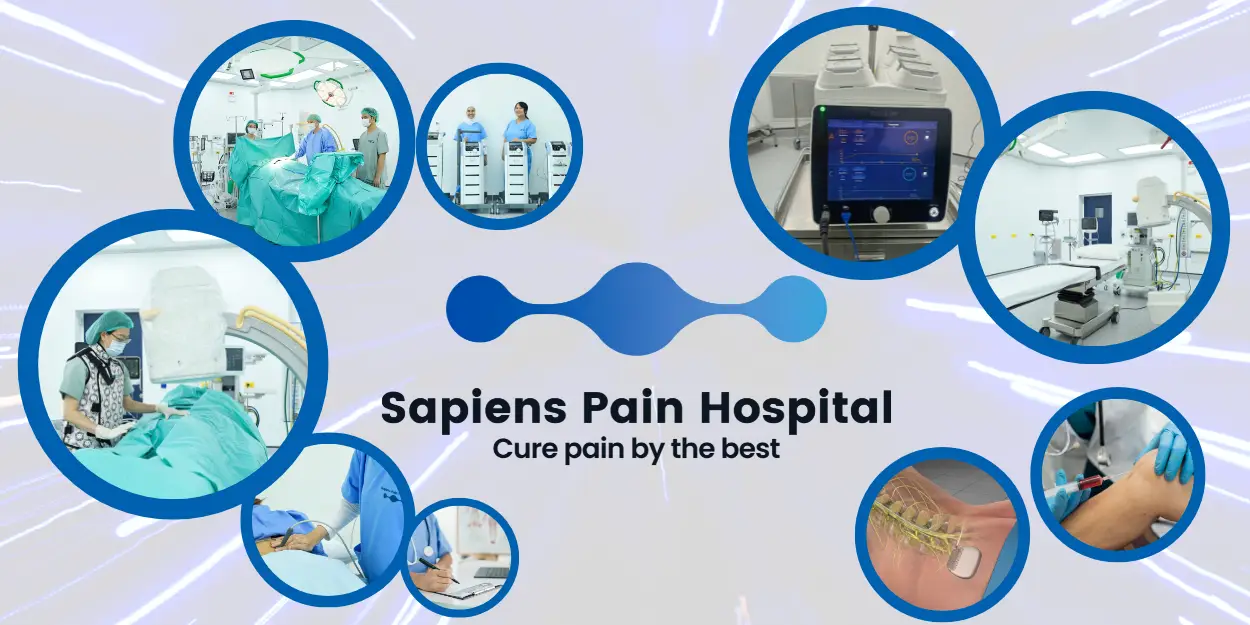
Our Core Differences:
- Dual-Consult Team: Integrated care delivered by both sports medicine physicians and pain management specialists.
- Advanced Diagnostics & Modalities: Equipped with Dynamic Ultrasound, Shockwave, and High-Power Laser technology.
- Personalized Return to Play Program: Tailored rehab plans designed around your specific athletic goals.
- On-Court Continuity: Seamless connections with tennis associations, sports complexes, and clubs to deliver on-site recovery plans directly to your training facility.
Related Content

คลื่นวิทยุเป็นวิธีรักษาที่ใช้ระงับอาการปวดหลังเรื้อรังจากข้อต่อกระดูกสันหลังได้อย่างมีประสิทธิภาพ ช่วยลดอาการปวดได้นานและสามารถทำซ้ำได้
29 May 2025
Stay informed on Hantavirus: Thailand's risk is low, but prevention remains key. Sapiens Hospital shares essential tips to keep your home safe and rodent-free.
9 May 2026

ปวดข้อ ปวดเข่าในผู้สูงวัย อาจเกิดจากความเสื่อมของกระดูก การรักษามีหลายทางเลือก เช่น ยารับประทาน ฉีดเกล็ดเลือด หรือใช้สเต็มเซลล์ เพื่อบรรเทาอาการและฟื้นฟูข้อให้แข็งแรง โดยแพทย์เฉพาะทาง
4 Apr 2025
