What Vaccines Should School-Aged Children Receive?
Last updated: 13 Jul 2026
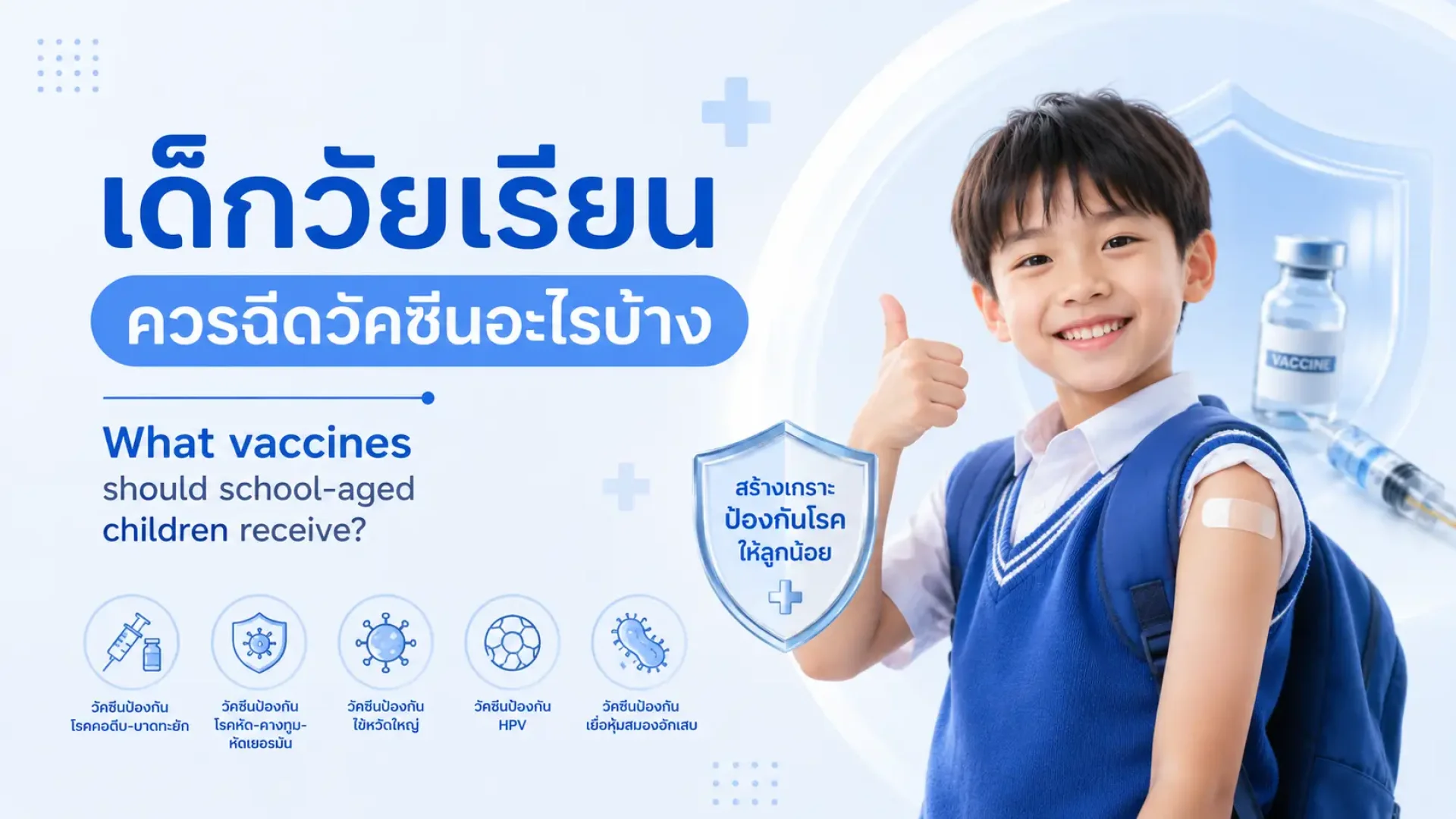
What Vaccines Should School-Aged Children Receive?
When your child starts school, their world instantly expands. From staying at home and interacting with just a few people, they transition to sharing their daily lives with dozens of classmates—eating together, playing sports, using restrooms, playing on playgrounds, and sometimes unknowingly sharing toys or snacks. Therefore, a school is not just a place for learning; it is an environment where various germs can spread much more easily than at home.
Many parents mistakenly believe that "vaccines are only for young children." Once their kids pass kindergarten, they assume the immunization schedule is complete. In reality, school-aged children and adolescents still need several booster shots, catch-up vaccines, or additional vaccinations based on their age, underlying medical conditions, lifestyle habits, travel plans, and individual risks.
The World Health Organization (WHO) states that vaccination is one of the greatest achievements in global public health, helping to prevent more than 30 dangerous diseases. Immunization prevents approximately 3.5–5 million deaths every year from diseases such as diphtheria, tetanus, pertussis (whooping cough), influenza, and measles.
Why Do School-Aged Children Still Need Vaccine Checks?
The first reason is that immunity from certain vaccines wanes over time, requiring booster doses (e.g., diphtheria, tetanus, and pertussis). The second reason is that some diseases are best prevented before entering adolescence, such as the HPV vaccine, which should be administered before any potential exposure to the virus. The third reason is that some children may not have received their complete vaccination series since childhood because of illness, postponed appointments, changing schools, relocating to another country, or simply being unsure of how many doses they have received.
The CDC recommends that physicians assess a child's vaccination status based on age, utilize catch-up schedules for incomplete series, evaluate the need for additional vaccines based on underlying conditions or specific indications, and review contraindications or precautions prior to administration.
In Thailand, parents should refer to their child's vaccination book alongside the national immunization schedule from the Ministry of Public Health and the latest recommendations from the Pediatric Infectious Disease Society of Thailand (PIDST). The 2026 Thai children's vaccination schedule published by PIDST should serve as the primary reference, combined with a pediatrician's clinical assessment.
Essential Vaccines School-Aged Children Should Check
When discussing vaccines for school-aged children, the first step is not to look for new vaccines, but to open your child’s existing vaccination record book and verify whether all primary doses from infancy to preschool are complete. Many vaccines require a full series to be effective. If one or two doses are missing, the child's immunity may not be robust enough to adequately prevent the disease.
Vaccines that should be checked in school-aged children include Diphtheria, Tetanus, Pertussis, Polio, Measles, Mumps, Rubella (MMR), Varicella (Chickenpox), Hepatitis B, Hepatitis A, Japanese Encephalitis (JE), Influenza, HPV, and other risk-based vaccines such as Pneumococcal, Meningococcal, COVID-19, or travel-specific vaccines. Not everyone needs to receive all of these simultaneously, but every child should be assessed based on their age, vaccination history, overall health, and individual risk factors.
1. Diphtheria, Tetanus, Pertussis, and Polio
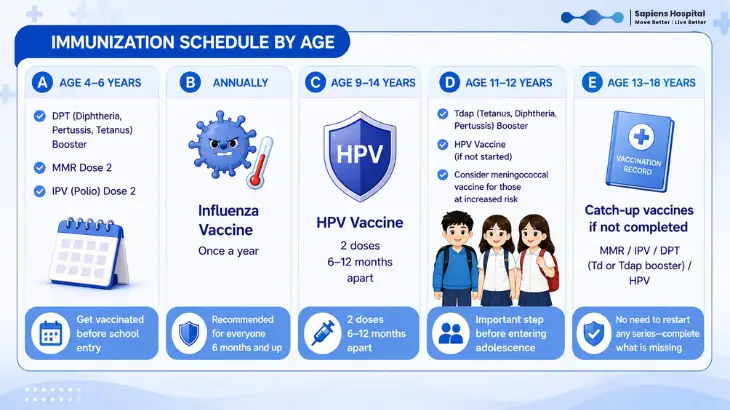
These are foundational vaccines that children should receive from infancy, typically requiring a booster before or during the early school years. The goal is not only to protect the individual child but also to reduce the spread of disease within the school. Pertussis (whooping cough), in particular, may seem like a chronic cough in older children but can be life-threatening to infants at home. According to CDC guidelines, the DTaP vaccine involves a 5-dose primary series, with a booster given between ages 4–6. For adolescents, Tdap is used as a booster, recommended at ages 11–12. If adolescents aged 13–18 have never received Tdap, they should receive one dose to boost their immunity. In practice, if parents are unsure whether their child is fully vaccinated, a doctor will review the vaccine book and plan a catch-up schedule. This should not be overlooked simply because the child is older, as some diseases can re-emerge if community immunity drops.
2. Measles, Mumps, and Rubella (MMR)
The MMR vaccine is highly critical for school-aged children because measles is highly contagious in classrooms. It can cause severe complications such as pneumonia, middle ear infections, encephalitis, or, in rare cases, devastating long-term neurological diseases. Children should receive a full 2-dose series of MMR. CDC guidelines state that the 2 doses should be given at 12–15 months and 4–6 years of age. Unvaccinated children and adolescents should receive 2 doses separated by at least 4 weeks. While many families think measles is a disease of the past, outbreaks can and do happen when vaccination rates decline. Schools must therefore prioritize this vaccine group.
3. Varicella (Chickenpox)
While chickenpox resolves on its own in most children, it should not be taken lightly. Some cases can lead to secondary bacterial skin infections, pneumonia, encephalitis, or severe symptoms in immunocompromised children. Furthermore, a child with chickenpox must miss school for several days and can transmit the virus to high-risk individuals at home, such as pregnant women, infants, or those with weakened immune systems. The CDC recommends a 2-dose series for chickenpox, given at 12–15 months and 4–6 years. Children aged 7–18 without evidence of immunity should receive a 2-dose catch-up series.
4. Influenza (Flu)
The flu is not just a common cold. School-aged children catch it easily, spread it rapidly, and often bring it home. Some children experience high fever, severe body aches, intense coughing, and prolonged fatigue. Complications like pneumonia, asthma exacerbations, or febrile seizures can occur, especially in young children or those with chronic conditions. The CDC recommends that everyone 6 months and older get a seasonal flu vaccine every year. The flu virus mutates frequently, and vaccine-induced immunity wanes over time. In Thailand, where the flu circulates year-round with periodic peaks, annual pre-season vaccination is highly advisable.
5. Human Papillomavirus (HPV)
Many parents hesitate about the HPV vaccine, thinking it is irrelevant for school-aged children. However, the vaccine is most effective when given before potential exposure to the virus, making the pre-teen years the ideal time for vaccination. HPV is linked to cervical cancer, anal cancer, certain types of oropharyngeal cancers, and genital warts. Therefore, it is beneficial for both boys and girls. The CDC recommends the HPV vaccine as a routine shot at ages 11–12, though it can be started as early as age 9. Initiating the series between ages 9–14 usually requires only 2 doses, whereas starting at age 15 or older (or for immunocompromised individuals) requires 3 doses.
6. Hepatitis B and Hepatitis A
Hepatitis B is a foundational vaccine that most Thai children receive at birth. However, for children without vaccination records, those who have relocated, or those who are incompletely vaccinated, histories should be verified, as chronic Hepatitis B can lead to cirrhosis and liver cancer later in life. The Hepatitis A vaccine should be considered for school-aged children, particularly those who travel frequently, eat out often, or live in areas with uncertain food and water hygiene. While often self-limiting in children, Hepatitis A can cause fever, fatigue, nausea, abdominal pain, and jaundice, leading to prolonged school absences.
7. Japanese Encephalitis (JE)
In Thailand, the JE vaccine is crucial as the disease is endemic to Asia and transmitted by mosquitoes. While cases have drastically dropped due to vaccines, infection can lead to severe encephalitis, seizures, neurological disabilities, or death. Parents should not assume JE is only a rural risk; children may travel, visit provinces, or attend camps in risk areas.
8. COVID-19
While COVID-19 is generally milder in children than adults, high-risk groups (e.g., children with obesity, lung disease, heart disease, or neurological conditions) remain vulnerable. Additionally, school-aged children can transmit the virus to elderly or chronically ill household members. Vaccination decisions should be based on current public health guidelines and shared clinical decision-making with a pediatrician.
9. Pneumococcal Vaccine
This vaccine reduces the risk of diseases caused by Streptococcus pneumoniae, such as pneumonia, meningitis, bloodstream infections, and some middle ear infections. While many receive this as infants, school-aged children with chronic conditions (heart/lung disease, diabetes, lack of a spleen, or immunosuppression) may require additional doses according to CDC guidelines.
10. Meningococcal Vaccine
While not a routine vaccine for all Thai children like in some countries, it should be considered for specific risk groups. This includes children planning to study abroad, live in dormitories, travel to endemic areas (like the African meningitis belt or for the Hajj), or those with specific medical conditions. If studying abroad, consult a doctor 1–2 months in advance to arrange the vaccination schedule and required documentation.
Incomplete Vaccinations Do Not Always Mean Starting Over
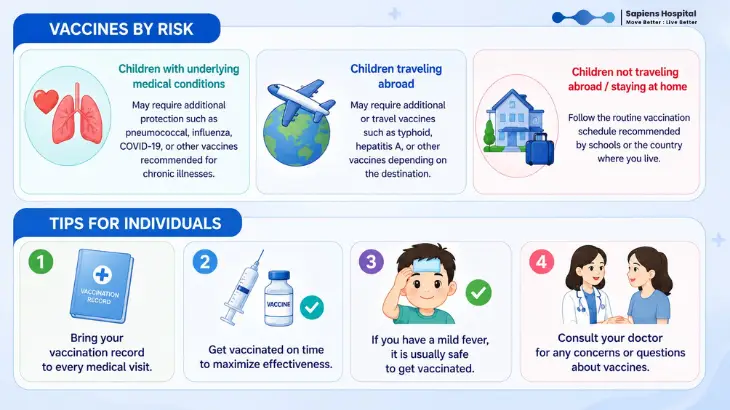
A common parental concern is whether a child who missed vaccines for years must restart the entire series. The standard medical answer is usually "No." Doctors use a "catch-up vaccination" strategy—reviewing what has been given, identifying missing doses, and continuing the series with appropriate minimum intervals. This highlights the importance of the vaccination book. Parents should take a photo of it and bring the physical book to every doctor's visit to prevent unnecessary repeat injections.
Individualized Plans for Children with Underlying Conditions
Children with conditions such as asthma, heart/kidney/liver disease, diabetes, or those who are immunocompromised (e.g., receiving high-dose steroids, chemotherapy) require tailored vaccination plans. They may need specific vaccines like Influenza or Pneumococcal more urgently, while live-attenuated vaccines might need to be delayed or avoided.
Pre-Travel Vaccinations
School-aged children traveling abroad (for family trips, summer school, or sports camps) should always check travel vaccination requirements. Depending on the destination, vaccines for Typhoid, Meningococcal, Yellow Fever, Rabies, or extra doses of MMR may be necessary. Consult a doctor well in advance, as some vaccines take time to build immunity or require multiple doses.
Common Side Effects
Most side effects are mild and include pain, swelling, or redness at the injection site, low-grade fever, fatigue, or mild muscle aches. These usually improve within 1–2 days. Applying a cold compress on the first day, resting, staying hydrated, and using weight-appropriate fever reducers can help. Immediate medical attention is required for severe signs such as breathing difficulty, facial/lip swelling, widespread hives, severe dizziness, fainting, abnormal lethargy, seizures, or excessively high fever.
Can Multiple Vaccines Be Given at Once?
Yes. Multiple vaccines can generally be administered on the same day in different anatomical sites, provided there are no contraindications. This reduces hospital visits, minimizes missed appointments, and ensures faster protection. The immune system handles thousands of foreign antigens daily; vaccines merely provide a structured way for the body to recognize pathogens before encountering the real disease.
Frequently Asked Questions by Parents
My child is older, but I'm not sure if their vaccines are complete. What should I do? Bring any existing vaccination records to a doctor for assessment. If records are unavailable, the doctor can plan a catch-up schedule or perform blood tests to check for specific immunities. Do not guess or ignore it.
My child has a mild cold. Can they still get vaccinated?
Generally, if it is a mild cold without a high fever, lethargy, or severe symptoms, vaccination can proceed. However, if the child has a high fever, severe fatigue, wheezing, heavy vomiting, or an unstable acute illness, the doctor may delay certain vaccines until they recover.
Is the HPV vaccine only for girls? No, boys benefit from the HPV vaccine as well. HPV is linked to conditions in males, including genital warts, anal cancer, and certain oropharyngeal cancers. The 9–14 age range is ideal as it requires fewer doses than starting at age 15 or older.
Do we really need the flu vaccine every year? Yes. Influenza viruses mutate constantly, and vaccine-induced immunity fades over time. Annual vaccination reduces the risk of severe illness, minimizes missed school days, and protects high-risk household members.
A Doctor's Conclusion
Vaccinating a school-aged child is not just about checking boxes on a schedule; it is about planning disease prevention that aligns with the child's real life. As their world expands, so does their exposure to infectious diseases. Parents should review their child's vaccination book, ensure basic boosters (like Tdap, MMR, Varicella, Flu, and HPV) are up to date, and assess specific risks. Vaccination is an investment in your child's safe growth, ensuring schools remain a safer place for everyone.
Sapiens Hospital Move Better : Live Better Tel. 02-111-3703
References:
World Health Organization. Vaccines and immunization.
สมาคมโรคติดเชื้อในเด็กแห่งประเทศไทย. ตารางการสร้างเสริมภูมิคุ้มกันโรคในเด็กและวัยรุ่นไทย 2569.
Centers for Disease Control and Prevention. Child and Adolescent Immunization Schedule by Age. Addendum updated July 2, 2025.
Centers for Disease Control and Prevention. Child Immunization Schedule Notes: Tdap, MMR,
Varicella, HPV, Influenza, Meningococcal, COVID-19 and special situations.
Centers for Disease Control and Prevention. Catch-up Immunization Schedule for Children and Adolescents. Addendum updated July 2, 2025.
When your child starts school, their world instantly expands. From staying at home and interacting with just a few people, they transition to sharing their daily lives with dozens of classmates—eating together, playing sports, using restrooms, playing on playgrounds, and sometimes unknowingly sharing toys or snacks. Therefore, a school is not just a place for learning; it is an environment where various germs can spread much more easily than at home.
Many parents mistakenly believe that "vaccines are only for young children." Once their kids pass kindergarten, they assume the immunization schedule is complete. In reality, school-aged children and adolescents still need several booster shots, catch-up vaccines, or additional vaccinations based on their age, underlying medical conditions, lifestyle habits, travel plans, and individual risks.
The World Health Organization (WHO) states that vaccination is one of the greatest achievements in global public health, helping to prevent more than 30 dangerous diseases. Immunization prevents approximately 3.5–5 million deaths every year from diseases such as diphtheria, tetanus, pertussis (whooping cough), influenza, and measles.
Why Do School-Aged Children Still Need Vaccine Checks?
The first reason is that immunity from certain vaccines wanes over time, requiring booster doses (e.g., diphtheria, tetanus, and pertussis). The second reason is that some diseases are best prevented before entering adolescence, such as the HPV vaccine, which should be administered before any potential exposure to the virus. The third reason is that some children may not have received their complete vaccination series since childhood because of illness, postponed appointments, changing schools, relocating to another country, or simply being unsure of how many doses they have received.
The CDC recommends that physicians assess a child's vaccination status based on age, utilize catch-up schedules for incomplete series, evaluate the need for additional vaccines based on underlying conditions or specific indications, and review contraindications or precautions prior to administration.
In Thailand, parents should refer to their child's vaccination book alongside the national immunization schedule from the Ministry of Public Health and the latest recommendations from the Pediatric Infectious Disease Society of Thailand (PIDST). The 2026 Thai children's vaccination schedule published by PIDST should serve as the primary reference, combined with a pediatrician's clinical assessment.
Essential Vaccines School-Aged Children Should Check
When discussing vaccines for school-aged children, the first step is not to look for new vaccines, but to open your child’s existing vaccination record book and verify whether all primary doses from infancy to preschool are complete. Many vaccines require a full series to be effective. If one or two doses are missing, the child's immunity may not be robust enough to adequately prevent the disease.
Vaccines that should be checked in school-aged children include Diphtheria, Tetanus, Pertussis, Polio, Measles, Mumps, Rubella (MMR), Varicella (Chickenpox), Hepatitis B, Hepatitis A, Japanese Encephalitis (JE), Influenza, HPV, and other risk-based vaccines such as Pneumococcal, Meningococcal, COVID-19, or travel-specific vaccines. Not everyone needs to receive all of these simultaneously, but every child should be assessed based on their age, vaccination history, overall health, and individual risk factors.
1. Diphtheria, Tetanus, Pertussis, and Polio
These are foundational vaccines that children should receive from infancy, typically requiring a booster before or during the early school years. The goal is not only to protect the individual child but also to reduce the spread of disease within the school. Pertussis (whooping cough), in particular, may seem like a chronic cough in older children but can be life-threatening to infants at home. According to CDC guidelines, the DTaP vaccine involves a 5-dose primary series, with a booster given between ages 4–6. For adolescents, Tdap is used as a booster, recommended at ages 11–12. If adolescents aged 13–18 have never received Tdap, they should receive one dose to boost their immunity. In practice, if parents are unsure whether their child is fully vaccinated, a doctor will review the vaccine book and plan a catch-up schedule. This should not be overlooked simply because the child is older, as some diseases can re-emerge if community immunity drops.
2. Measles, Mumps, and Rubella (MMR)
The MMR vaccine is highly critical for school-aged children because measles is highly contagious in classrooms. It can cause severe complications such as pneumonia, middle ear infections, encephalitis, or, in rare cases, devastating long-term neurological diseases. Children should receive a full 2-dose series of MMR. CDC guidelines state that the 2 doses should be given at 12–15 months and 4–6 years of age. Unvaccinated children and adolescents should receive 2 doses separated by at least 4 weeks. While many families think measles is a disease of the past, outbreaks can and do happen when vaccination rates decline. Schools must therefore prioritize this vaccine group.
3. Varicella (Chickenpox)
While chickenpox resolves on its own in most children, it should not be taken lightly. Some cases can lead to secondary bacterial skin infections, pneumonia, encephalitis, or severe symptoms in immunocompromised children. Furthermore, a child with chickenpox must miss school for several days and can transmit the virus to high-risk individuals at home, such as pregnant women, infants, or those with weakened immune systems. The CDC recommends a 2-dose series for chickenpox, given at 12–15 months and 4–6 years. Children aged 7–18 without evidence of immunity should receive a 2-dose catch-up series.
4. Influenza (Flu)
The flu is not just a common cold. School-aged children catch it easily, spread it rapidly, and often bring it home. Some children experience high fever, severe body aches, intense coughing, and prolonged fatigue. Complications like pneumonia, asthma exacerbations, or febrile seizures can occur, especially in young children or those with chronic conditions. The CDC recommends that everyone 6 months and older get a seasonal flu vaccine every year. The flu virus mutates frequently, and vaccine-induced immunity wanes over time. In Thailand, where the flu circulates year-round with periodic peaks, annual pre-season vaccination is highly advisable.
5. Human Papillomavirus (HPV)
Many parents hesitate about the HPV vaccine, thinking it is irrelevant for school-aged children. However, the vaccine is most effective when given before potential exposure to the virus, making the pre-teen years the ideal time for vaccination. HPV is linked to cervical cancer, anal cancer, certain types of oropharyngeal cancers, and genital warts. Therefore, it is beneficial for both boys and girls. The CDC recommends the HPV vaccine as a routine shot at ages 11–12, though it can be started as early as age 9. Initiating the series between ages 9–14 usually requires only 2 doses, whereas starting at age 15 or older (or for immunocompromised individuals) requires 3 doses.
6. Hepatitis B and Hepatitis A
Hepatitis B is a foundational vaccine that most Thai children receive at birth. However, for children without vaccination records, those who have relocated, or those who are incompletely vaccinated, histories should be verified, as chronic Hepatitis B can lead to cirrhosis and liver cancer later in life. The Hepatitis A vaccine should be considered for school-aged children, particularly those who travel frequently, eat out often, or live in areas with uncertain food and water hygiene. While often self-limiting in children, Hepatitis A can cause fever, fatigue, nausea, abdominal pain, and jaundice, leading to prolonged school absences.
7. Japanese Encephalitis (JE)
In Thailand, the JE vaccine is crucial as the disease is endemic to Asia and transmitted by mosquitoes. While cases have drastically dropped due to vaccines, infection can lead to severe encephalitis, seizures, neurological disabilities, or death. Parents should not assume JE is only a rural risk; children may travel, visit provinces, or attend camps in risk areas.
8. COVID-19
While COVID-19 is generally milder in children than adults, high-risk groups (e.g., children with obesity, lung disease, heart disease, or neurological conditions) remain vulnerable. Additionally, school-aged children can transmit the virus to elderly or chronically ill household members. Vaccination decisions should be based on current public health guidelines and shared clinical decision-making with a pediatrician.
9. Pneumococcal Vaccine
This vaccine reduces the risk of diseases caused by Streptococcus pneumoniae, such as pneumonia, meningitis, bloodstream infections, and some middle ear infections. While many receive this as infants, school-aged children with chronic conditions (heart/lung disease, diabetes, lack of a spleen, or immunosuppression) may require additional doses according to CDC guidelines.
10. Meningococcal Vaccine
While not a routine vaccine for all Thai children like in some countries, it should be considered for specific risk groups. This includes children planning to study abroad, live in dormitories, travel to endemic areas (like the African meningitis belt or for the Hajj), or those with specific medical conditions. If studying abroad, consult a doctor 1–2 months in advance to arrange the vaccination schedule and required documentation.
Incomplete Vaccinations Do Not Always Mean Starting Over
A common parental concern is whether a child who missed vaccines for years must restart the entire series. The standard medical answer is usually "No." Doctors use a "catch-up vaccination" strategy—reviewing what has been given, identifying missing doses, and continuing the series with appropriate minimum intervals. This highlights the importance of the vaccination book. Parents should take a photo of it and bring the physical book to every doctor's visit to prevent unnecessary repeat injections.
Individualized Plans for Children with Underlying Conditions
Children with conditions such as asthma, heart/kidney/liver disease, diabetes, or those who are immunocompromised (e.g., receiving high-dose steroids, chemotherapy) require tailored vaccination plans. They may need specific vaccines like Influenza or Pneumococcal more urgently, while live-attenuated vaccines might need to be delayed or avoided.
Pre-Travel Vaccinations
School-aged children traveling abroad (for family trips, summer school, or sports camps) should always check travel vaccination requirements. Depending on the destination, vaccines for Typhoid, Meningococcal, Yellow Fever, Rabies, or extra doses of MMR may be necessary. Consult a doctor well in advance, as some vaccines take time to build immunity or require multiple doses.
Common Side Effects
Most side effects are mild and include pain, swelling, or redness at the injection site, low-grade fever, fatigue, or mild muscle aches. These usually improve within 1–2 days. Applying a cold compress on the first day, resting, staying hydrated, and using weight-appropriate fever reducers can help. Immediate medical attention is required for severe signs such as breathing difficulty, facial/lip swelling, widespread hives, severe dizziness, fainting, abnormal lethargy, seizures, or excessively high fever.
Can Multiple Vaccines Be Given at Once?
Yes. Multiple vaccines can generally be administered on the same day in different anatomical sites, provided there are no contraindications. This reduces hospital visits, minimizes missed appointments, and ensures faster protection. The immune system handles thousands of foreign antigens daily; vaccines merely provide a structured way for the body to recognize pathogens before encountering the real disease.
Frequently Asked Questions by Parents
My child is older, but I'm not sure if their vaccines are complete. What should I do? Bring any existing vaccination records to a doctor for assessment. If records are unavailable, the doctor can plan a catch-up schedule or perform blood tests to check for specific immunities. Do not guess or ignore it.
My child has a mild cold. Can they still get vaccinated?
Generally, if it is a mild cold without a high fever, lethargy, or severe symptoms, vaccination can proceed. However, if the child has a high fever, severe fatigue, wheezing, heavy vomiting, or an unstable acute illness, the doctor may delay certain vaccines until they recover.
Is the HPV vaccine only for girls? No, boys benefit from the HPV vaccine as well. HPV is linked to conditions in males, including genital warts, anal cancer, and certain oropharyngeal cancers. The 9–14 age range is ideal as it requires fewer doses than starting at age 15 or older.
Do we really need the flu vaccine every year? Yes. Influenza viruses mutate constantly, and vaccine-induced immunity fades over time. Annual vaccination reduces the risk of severe illness, minimizes missed school days, and protects high-risk household members.
A Doctor's Conclusion
Vaccinating a school-aged child is not just about checking boxes on a schedule; it is about planning disease prevention that aligns with the child's real life. As their world expands, so does their exposure to infectious diseases. Parents should review their child's vaccination book, ensure basic boosters (like Tdap, MMR, Varicella, Flu, and HPV) are up to date, and assess specific risks. Vaccination is an investment in your child's safe growth, ensuring schools remain a safer place for everyone.
Sapiens Hospital Move Better : Live Better Tel. 02-111-3703
References:
World Health Organization. Vaccines and immunization.
สมาคมโรคติดเชื้อในเด็กแห่งประเทศไทย. ตารางการสร้างเสริมภูมิคุ้มกันโรคในเด็กและวัยรุ่นไทย 2569.
Centers for Disease Control and Prevention. Child and Adolescent Immunization Schedule by Age. Addendum updated July 2, 2025.
Centers for Disease Control and Prevention. Child Immunization Schedule Notes: Tdap, MMR,
Varicella, HPV, Influenza, Meningococcal, COVID-19 and special situations.
Centers for Disease Control and Prevention. Catch-up Immunization Schedule for Children and Adolescents. Addendum updated July 2, 2025.
Related Content
Is your child suffering from diarrhea and vomiting? Learn how to spot early signs of severe dehydration and manage fluid loss safely at home.
10 Jul 2026
Stay up-to-date with essential childhood vaccinations. Build strong immunity and protect your child's future at Sapiens Hospital. Book your appointment today!
6 Jul 2026
If your child has a poor appetite, drops below weight and height standards, looks pale, gets sick frequently, or has chronic bowel issues—including difficulty swallowing, choking, vomiting, or persistent stomach pain—you should take them to see a doctor immediately.
10 Jul 2026
