What are Uterine Fibroids (Myoma), and do they require surgery?
Last updated: 1 Aug 2026
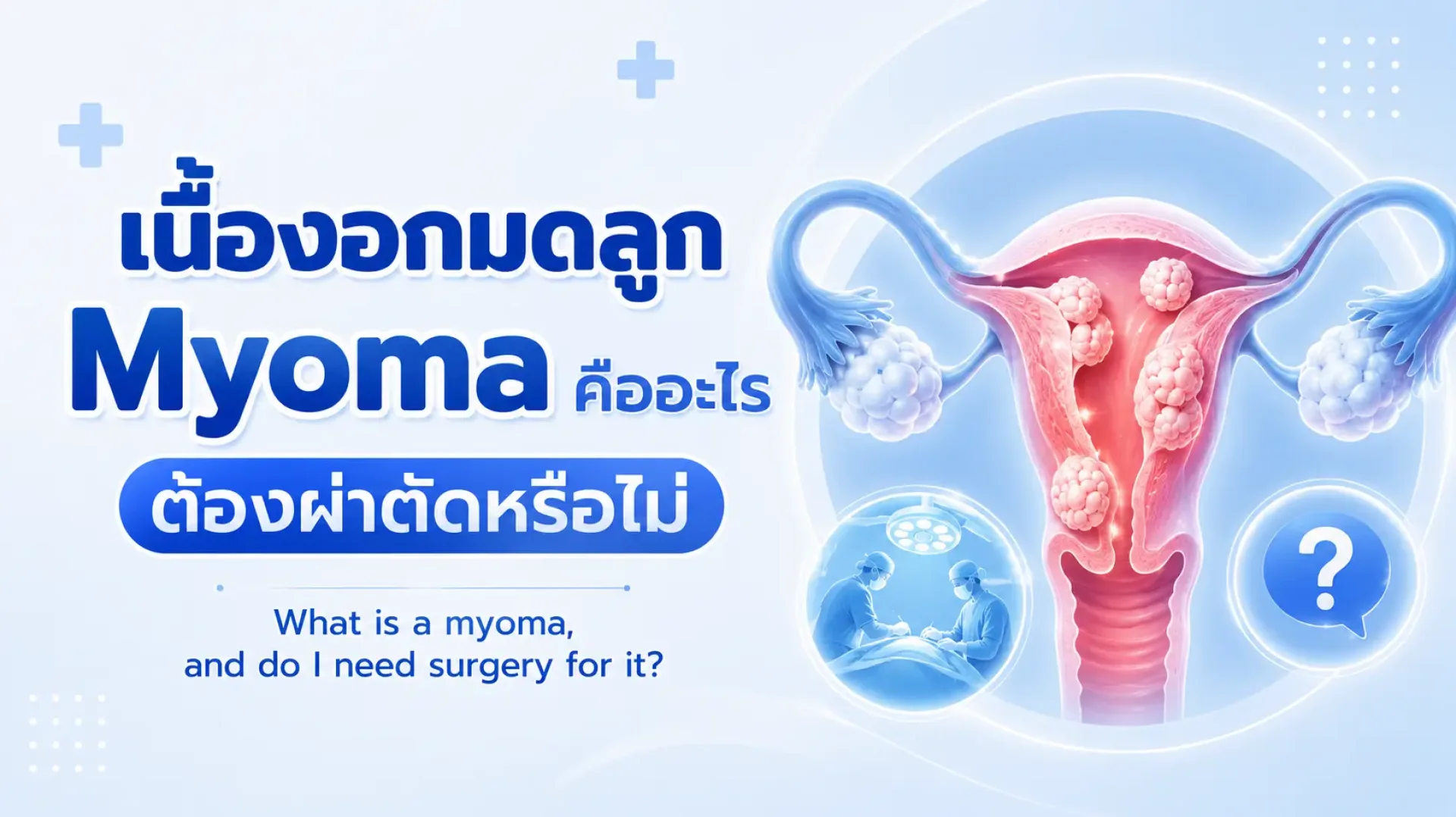
What are Uterine Fibroids (Myoma), and Do They Require Surgery?
What is a Uterine Fibroid?
A uterine fibroid, commonly referred to as a "Myoma," "Uterine fibroid," or "Leiomyoma," is a benign (non-cancerous) tumor that develops from the smooth muscle tissue of the uterus. It is one of the most common gynecological conditions found in women of reproductive age.
The word "tumor" often causes alarm, as many people immediately fear cancer. However, the vast majority of uterine fibroids are benign, non-cancerous, and do not always require surgery. Nevertheless, depending on their size and location, these fibroids can disrupt daily life by causing heavy menstrual bleeding, pelvic pain, frequent urination, abdominal enlargement, or even complications related to pregnancy and infertility.
Therefore, the critical question is not simply "Is there a fibroid?" but rather:
The answers to these questions directly influence the treatment plan. According to the American College of Obstetricians and Gynecologists (ACOG), the management of symptomatic uterine fibroids should encompass medical therapy, minimally invasive procedures, and surgery. The approach must be tailored to the patient's specific symptoms, needs, and reproductive goals, rather than applying a "one-size-fits-all" method.
How Common are Uterine Fibroids?
Uterine fibroids are extremely common benign tumors in women, particularly during their reproductive years. They tend to grow as long as female hormones are active. Many women have uterine fibroids without even knowing it because they experience no symptoms, and the fibroids are only discovered incidentally during a pelvic exam or ultrasound.
Epidemiological studies on uterine fibroids indica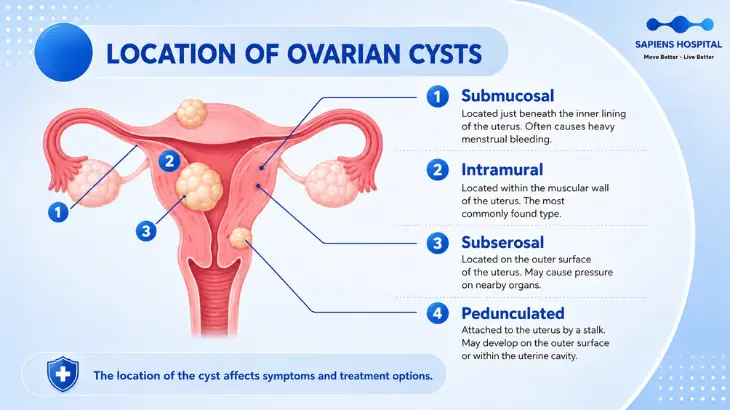 te that fibroids (leiomyomas) are the most common benign tumors of the female reproductive system, affecting a significant number of women worldwide, especially those of reproductive age.
Despite their prevalence, the severity of symptoms varies greatly. Some women may have multiple small fibroids with zero symptoms, while others may have a single fibroid located near the uterine cavity that causes menstrual bleeding heavy enough to lead to anemia.
What Causes Uterine Fibroids?
The exact cause of uterine fibroids is not fully understood, but it is believed to be the result of a combination of factors, including genetics, hormones (estrogen and progesterone), the response of uterine muscle cells to these hormones, and certain environmental factors.
Factors associated with the development of uterine fibroids include:
Where Can Uterine Fibroids Develop?
The location of the fibroid is highly significant as it dictates both the symptoms and the treatment approach. Generally, uterine fibroids are classified by location into the following main categories:
What are the Symptoms?
While many women with fibroids experience no symptoms, those who do may encounter the following:
Generally, most uterine fibroids are benign and non-cancerous. However, "benign" does not mean "harmless." Fibroids can cause significant issues such as severe bleeding, chronic anemia, pelvic pain, organ compression, and a diminished quality of life.
Warning signs that require immediate medical attention include:
How are Uterine Fibroids Diagnosed?
Diagnosis begins with a medical history and physical examination. Your doctor will ask about your menstrual cycle, bleeding volume, pain levels, urination and bowel habits, pregnancy history, family planning, and family medical history.
The short answer is "No."
Treatment depends entirely on the symptoms, not just the presence of the fibroid. If a patient has a small, asymptomatic fibroid, normal periods, no pain or anemia, and the fibroid isn't growing rapidly, a doctor will likely recommend routine monitoring.
Surgery may not be necessary if:
When Should You Consider Treatment or Surgery?
You should consult a gynecologist for active treatment if you experience:
What are the Treatment Options?
For patients planning to conceive, treatment requires meticulous planning. The focus isn't just on symptom relief, but also on preserving the uterine cavity, maintaining the strength of the uterine muscle post-surgery, and maximizing future pregnancy chances.
Fibroids that protrude into the uterine cavity or distort its shape have a higher likelihood of causing implantation failure, miscarriage, or infertility compared to fibroids on the outer surface. If you are experiencing infertility or planning a pregnancy, consult a gynecologist to determine if the fibroid is the root cause and which treatment (e.g., a hysteroscopic myomectomy) is most appropriate for your specific case.
Can Fibroids Recur After Surgery?
If you undergo a myomectomy (removing only the fibroid), there is a chance that new fibroids will develop or existing small ones will grow, as the uterus is still present and subject to hormonal influences. This is especially true for younger patients, those with multiple fibroids, or those with a strong family history.
If a hysterectomy is performed, fibroids cannot recur, but the patient will no longer be able to become pregnant.
Frequently Asked Questions (FAQ)
If you are experiencing heavy periods, chronic pelvic pain, abnormal abdominal enlargement, frequent urination, or have been diagnosed with fibroids, do not wait until your quality of life is severely impacted. Consult a specialist for a tailored care plan.
For Inquiries and Appointments: Sapiens Hospital | Move Better : Live Better Tel: 02-111-3703
Academic References:
American College of Obstetricians and Gynecologists. Management of Symptomatic Uterine Leiomyomas. ACOG Practice Bulletin No. 228. Obstetrics & Gynecology. 2021.
National Institute for Health and Care Excellence. Heavy menstrual bleeding: assessment and management. NICE Guideline NG88. 2018, updated/reviewed.
Munro MG, Critchley HOD, Fraser IS. FIGO classification system for causes of abnormal uterine bleeding in nongravid women of reproductive age. International Journal of Gynecology & Obstetrics. 2011.
Lakabi R, et al. Diagnosis and classification of uterine fibroids. 2025.
Yang Q, et al. Comprehensive Review of Uterine Fibroids. 2021.
Ahmad A, Kumar M, Bhoi NR, Badruddeen, Akhtar J, Khan MI. Diagnosis and management of uterine fibroids. 2023.
Gorny KR, et al. Uterine Artery Embolization for Heavy Menstrual Bleeding. Seminars in Interventional Radiology. 2018.
Academy of Medical Royal Colleges. Evidence-Based Interventions: Hysterectomy for Heavy Menstrual Bleeding.
What is a Uterine Fibroid?
A uterine fibroid, commonly referred to as a "Myoma," "Uterine fibroid," or "Leiomyoma," is a benign (non-cancerous) tumor that develops from the smooth muscle tissue of the uterus. It is one of the most common gynecological conditions found in women of reproductive age.
The word "tumor" often causes alarm, as many people immediately fear cancer. However, the vast majority of uterine fibroids are benign, non-cancerous, and do not always require surgery. Nevertheless, depending on their size and location, these fibroids can disrupt daily life by causing heavy menstrual bleeding, pelvic pain, frequent urination, abdominal enlargement, or even complications related to pregnancy and infertility.
Therefore, the critical question is not simply "Is there a fibroid?" but rather:
- Where is the fibroid located?
- How large is it?
- Is it causing any symptoms?
- Is it causing heavy bleeding or anemia?
The answers to these questions directly influence the treatment plan. According to the American College of Obstetricians and Gynecologists (ACOG), the management of symptomatic uterine fibroids should encompass medical therapy, minimally invasive procedures, and surgery. The approach must be tailored to the patient's specific symptoms, needs, and reproductive goals, rather than applying a "one-size-fits-all" method.
How Common are Uterine Fibroids?
Uterine fibroids are extremely common benign tumors in women, particularly during their reproductive years. They tend to grow as long as female hormones are active. Many women have uterine fibroids without even knowing it because they experience no symptoms, and the fibroids are only discovered incidentally during a pelvic exam or ultrasound.
Epidemiological studies on uterine fibroids indica
te that fibroids (leiomyomas) are the most common benign tumors of the female reproductive system, affecting a significant number of women worldwide, especially those of reproductive age.Despite their prevalence, the severity of symptoms varies greatly. Some women may have multiple small fibroids with zero symptoms, while others may have a single fibroid located near the uterine cavity that causes menstrual bleeding heavy enough to lead to anemia.
What Causes Uterine Fibroids?
The exact cause of uterine fibroids is not fully understood, but it is believed to be the result of a combination of factors, including genetics, hormones (estrogen and progesterone), the response of uterine muscle cells to these hormones, and certain environmental factors.
Factors associated with the development of uterine fibroids include:
- Being of reproductive age
- A family history of uterine fibroids
- Overweight or obesity
- High blood pressure
- Early onset of menstruation
- Nulliparity (never having been pregnant)
- Genetic and ethnic factors in certain populations
- Female hormones that stimulate tumor growth
Where Can Uterine Fibroids Develop?
The location of the fibroid is highly significant as it dictates both the symptoms and the treatment approach. Generally, uterine fibroids are classified by location into the following main categories:
- Submucosal Myoma: Located just underneath the uterine lining and can protrude into the uterine cavity. These often cause heavy menstrual bleeding, spotting, or issues with embryo implantation. Even small submucosal fibroids can cause severe symptoms because they directly affect the endometrial lining.
- Intramural Myoma: Located within the muscular wall of the uterus. This is a very common type that can cause the uterus to enlarge, leading to heavy periods, pelvic pain, or a feeling of fullness, depending on the size and exact location.
- Subserosal Myoma: Projects to the outside of the uterus. These tend to cause compression symptoms rather than bleeding. Patients may experience abdominal fullness, an enlarged abdomen, frequent urination, or constipation if the fibroid presses against the bladder or bowels.
- Pedunculated Myoma: A fibroid attached to the uterus by a stalk-like base, which can grow either outside the uterus or into the uterine cavity. In some cases, a twisted stalk can cause acute, severe pain requiring immediate medical evaluation.
What are the Symptoms?
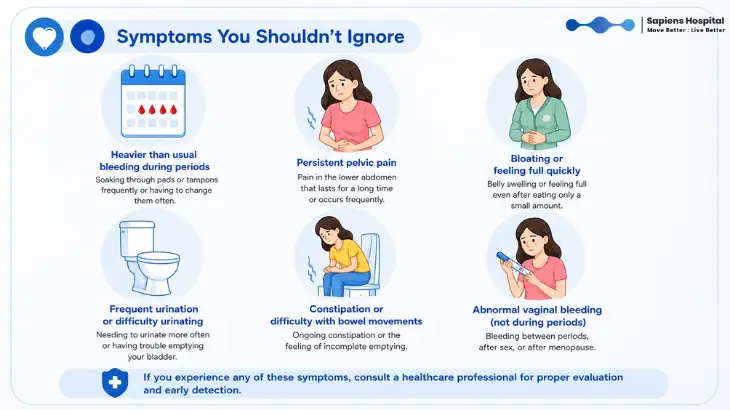
While many women with fibroids experience no symptoms, those who do may encounter the following:
- Heavy Menstrual Bleeding: A common symptom, especially with fibroids in or near the uterine cavity. Patients may need to change pads frequently, pass blood clots, have prolonged periods, or experience signs of anemia (fatigue, palpitations, dizziness).
- Pelvic Pain or Severe Menstrual Cramps: Some experience a heavy, dragging sensation in the pelvis, worsening menstrual cramps, or chronic pain—especially if the uterus is significantly enlarged, there are multiple fibroids, or co-existing conditions like adenomyosis or endometriosis are present.
- Abdominal Enlargement or Fullness: Large fibroids can make the abdomen appear bloated or enlarged, cause clothing to feel tight, or allow a palpable mass to be felt in the lower abdomen.
- Frequent Urination: If the fibroid presses on the bladder, the patient may need to urinate frequently, feel unable to fully empty the bladder, or experience a sudden urge to urinate.
- Constipation or Difficulty with Bowel Movements: If the fibroid grows outward toward the back and presses against the rectum, it can cause constipation or painful bowel movements.
- Infertility or Recurrent Miscarriage: Certain fibroids, particularly submucosal ones, can interfere with embryo implantation or pregnancy. However, not all fibroids cause infertility. A comprehensive evaluation of the fibroid's size, location, and other potential conditions is necessary.
Generally, most uterine fibroids are benign and non-cancerous. However, "benign" does not mean "harmless." Fibroids can cause significant issues such as severe bleeding, chronic anemia, pelvic pain, organ compression, and a diminished quality of life.
Warning signs that require immediate medical attention include:
- Heavy menstrual bleeding leading to anemia
- Abnormally rapid growth of the fibroid
- Increasingly severe pain
- Bleeding after menopause
- Fibroid growth after menopause
- Severe compression symptoms (e.g., extremely frequent urination, severe constipation, or severe back pain)
- Difficulty getting pregnant or unexplained infertility
- Unclear or suspicious tumor characteristics found during a medical exam
How are Uterine Fibroids Diagnosed?
Diagnosis begins with a medical history and physical examination. Your doctor will ask about your menstrual cycle, bleeding volume, pain levels, urination and bowel habits, pregnancy history, family planning, and family medical history.
- Pelvic Examination: Helps evaluate the size and shape of the uterus to check for abnormal enlargement, irregularities, tenderness, or pelvic masses.
- Ultrasound (Pelvic and Transvaginal): The most common primary imaging tool. It reveals the presence, size, number, and location of fibroids in relation to the uterine cavity, and helps rule out other pelvic conditions like ovarian cysts or adenomyosis.
- MRI: Often used in complex cases with multiple fibroids, to differentiate fibroids from adenomyosis, for detailed surgical planning, or before specific procedures like uterine artery embolization.
- Hysteroscopy: If a submucosal fibroid or uterine polyp is suspected, a doctor may insert a small camera into the uterus to visualize the cavity directly. In some instances, treatment can be performed simultaneously.
- Blood Tests: If heavy bleeding is present, a Complete Blood Count (CBC) may be ordered to check for anemia, along with ferritin or iron levels. Other tests (like thyroid function or pregnancy tests) may be conducted depending on the symptoms.
The short answer is "No."
Treatment depends entirely on the symptoms, not just the presence of the fibroid. If a patient has a small, asymptomatic fibroid, normal periods, no pain or anemia, and the fibroid isn't growing rapidly, a doctor will likely recommend routine monitoring.
Surgery may not be necessary if:
- The fibroid is small
- There are no symptoms
- There is no anemia
- The fibroid does not compress adjacent organs
- The fibroid is not growing rapidly
- The patient is approaching menopause and symptoms are mild
- There are no immediate plans for pregnancy that the fibroid would disrupt
When Should You Consider Treatment or Surgery?
You should consult a gynecologist for active treatment if you experience:
- Heavy periods leading to anemia
- The need to change sanitary pads very frequently or passing large blood clots
- Prolonged periods that disrupt daily life
- Severe pelvic pain or extreme menstrual cramps
- Fibroids growing large enough to cause abdominal distension or a palpable mass
- Frequent urination or constipation due to organ compression
- Infertility or recurrent miscarriages related to the fibroid's location
- Rapid fibroid growth
- Postmenopausal bleeding
- No improvement after medical treatment
- A desire for treatment to restore quality of life or confidence
What are the Treatment Options?
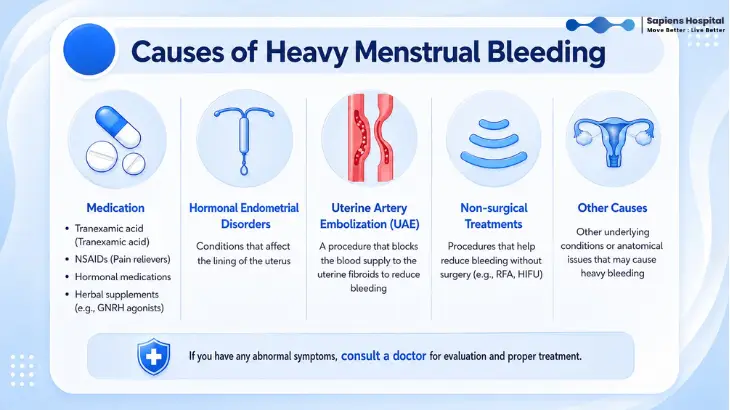
- Watchful Waiting (Monitoring): Suitable for asymptomatic or mild cases. The doctor will schedule periodic follow-ups and ultrasounds to monitor for increased bleeding, pain, or rapid growth.
- Medications for Heavy Bleeding: For patients with heavy periods, doctors may prescribe non-hormonal medications like tranexamic acid or NSAIDs to help reduce blood flow and pain. These medications manage symptoms but do not shrink the fibroids.
- Hormonal Therapy: Medications such as birth control pills, progestin-only pills, or hormone-releasing IUDs can help manage bleeding and certain symptoms, particularly for patients who wish to avoid surgery or plan to have children in the future.
- GnRH Agonists or Antagonists: These medications temporarily suppress the hormones that stimulate fibroid growth, shrinking the tumors and reducing bleeding. They are often used short-term before surgery to reduce fibroid size or correct anemia, but are not suitable for long-term use without a specific plan due to menopause-like side effects and potential bone density loss.
- Myomectomy (Fibroid Removal): A surgical procedure to remove only the fibroids while preserving the uterus. This is ideal for women who still want to have children or wish to keep their uterus. It can be performed via laparoscopy, open abdominal surgery, or hysteroscopy, depending on the fibroids' size and location. Note: New fibroids can develop after this procedure.
- Hysterectomy (Uterus Removal): The definitive cure for uterine fibroids. It is suitable for patients with severe symptoms who no longer wish to have children. This is a major, permanent decision. NICE guidelines advise that hysterectomy should not be the first-line treatment solely for heavy menstrual bleeding, but should be considered when appropriate after discussing all other options.
- Uterine Artery Embolization (UAE): A minimally invasive procedure that blocks the blood supply to the fibroids, causing them to shrink and relieving bleeding or compression symptoms. It is suitable for select patients, but factors like fibroid location and future fertility desires must be carefully evaluated by a specialist.
- Other Methods (RFA or HIFU): Depending on the medical facility, options like Radiofrequency Ablation (RFA) or High-Intensity Focused Ultrasound (HIFU) may be available. These require careful patient selection and thorough evaluation regarding future pregnancy plans.
For patients planning to conceive, treatment requires meticulous planning. The focus isn't just on symptom relief, but also on preserving the uterine cavity, maintaining the strength of the uterine muscle post-surgery, and maximizing future pregnancy chances.
Fibroids that protrude into the uterine cavity or distort its shape have a higher likelihood of causing implantation failure, miscarriage, or infertility compared to fibroids on the outer surface. If you are experiencing infertility or planning a pregnancy, consult a gynecologist to determine if the fibroid is the root cause and which treatment (e.g., a hysteroscopic myomectomy) is most appropriate for your specific case.
Can Fibroids Recur After Surgery?
If you undergo a myomectomy (removing only the fibroid), there is a chance that new fibroids will develop or existing small ones will grow, as the uterus is still present and subject to hormonal influences. This is especially true for younger patients, those with multiple fibroids, or those with a strong family history.
If a hysterectomy is performed, fibroids cannot recur, but the patient will no longer be able to become pregnant.
Frequently Asked Questions (FAQ)
- Is a Uterine Fibroid (Myoma) cancer?
No, the vast majority are not cancer. Myomas are benign tumors. However, if a tumor grows rapidly, causes postmenopausal bleeding, or looks suspicious on imaging, a doctor will evaluate it further. - Does everyone with a uterine fibroid need surgery?
No. If the fibroid is small, asymptomatic, does not cause anemia or compression, and isn't growing rapidly, it can simply be monitored. Surgery is considered if it causes heavy bleeding, severe pain, organ compression, or fertility issues. - How do fibroids cause heavy menstrual bleeding?
Fibroids located near or inside the uterine cavity can distort and irritate the endometrial lining, leading to prolonged bleeding, heavy flow, or the passing of large clots, which can sometimes result in severe anemia. - If an ultrasound shows a fibroid, is an MRI required?
Not always. An ultrasound is typically sufficient as a first-line diagnostic tool. An MRI is reserved for complex cases, distinguishing fibroids from other conditions, or detailed pre-surgical planning. - How big does a fibroid have to be to require surgery?
There is no specific size threshold. Treatment depends on symptoms, location, growth rate, anemia, compression, and fertility plans. A small fibroid inside the cavity can cause severe bleeding, while a large outer fibroid might cause minimal symptoms. - What should I do if I have a fibroid but still want to have a baby?
Consult an obstetrician-gynecologist to evaluate the fibroid's location and the state of your uterine cavity. Some fibroids do not interfere with pregnancy, while others—especially submucosal fibroids—may need to be treated before attempting to conceive. - What is the difference between a myomectomy and a hysterectomy?
A myomectomy removes only the fibroid, leaving the uterus intact, making it suitable for women who want to preserve their fertility. A hysterectomy removes the entire uterus, providing a permanent cure for fibroids but permanently ending the ability to carry a pregnancy.
If you are experiencing heavy periods, chronic pelvic pain, abnormal abdominal enlargement, frequent urination, or have been diagnosed with fibroids, do not wait until your quality of life is severely impacted. Consult a specialist for a tailored care plan.
For Inquiries and Appointments: Sapiens Hospital | Move Better : Live Better Tel: 02-111-3703
Academic References:
American College of Obstetricians and Gynecologists. Management of Symptomatic Uterine Leiomyomas. ACOG Practice Bulletin No. 228. Obstetrics & Gynecology. 2021.
National Institute for Health and Care Excellence. Heavy menstrual bleeding: assessment and management. NICE Guideline NG88. 2018, updated/reviewed.
Munro MG, Critchley HOD, Fraser IS. FIGO classification system for causes of abnormal uterine bleeding in nongravid women of reproductive age. International Journal of Gynecology & Obstetrics. 2011.
Lakabi R, et al. Diagnosis and classification of uterine fibroids. 2025.
Yang Q, et al. Comprehensive Review of Uterine Fibroids. 2021.
Ahmad A, Kumar M, Bhoi NR, Badruddeen, Akhtar J, Khan MI. Diagnosis and management of uterine fibroids. 2023.
Gorny KR, et al. Uterine Artery Embolization for Heavy Menstrual Bleeding. Seminars in Interventional Radiology. 2018.
Academy of Medical Royal Colleges. Evidence-Based Interventions: Hysterectomy for Heavy Menstrual Bleeding.
Related Content

Primary dysmenorrhea (lower abdominal pain during menstruation) is caused by an overproduction of prostaglandins. This leads to severe contractions of the uterine muscles, resulting in cramping, diarrhea, or nausea.
21 Aug 2025

Breast pain or a lump: Is it breast cancer? Check early symptoms and the right screening methods. Discover which lumps need medical attention, plus clear guidelines for Ultrasounds and Mammograms.
9 Jul 2026

Abnormal vaginal discharge, itching, burning, odor, or changes in color may be caused by a vaginal yeast infection, bacterial vaginosis, sexually transmitted infections (STIs), irritation, or cervical diseases. It is recommended to see a doctor to determine the exact cause for appropriate treatment. You should avoid repeatedly self-treating with over-the-counter medications.
10 Jul 2026
