High Blood Cholesterol: The Silent Killer That Can Lead to Heart Attacks and Strokes.
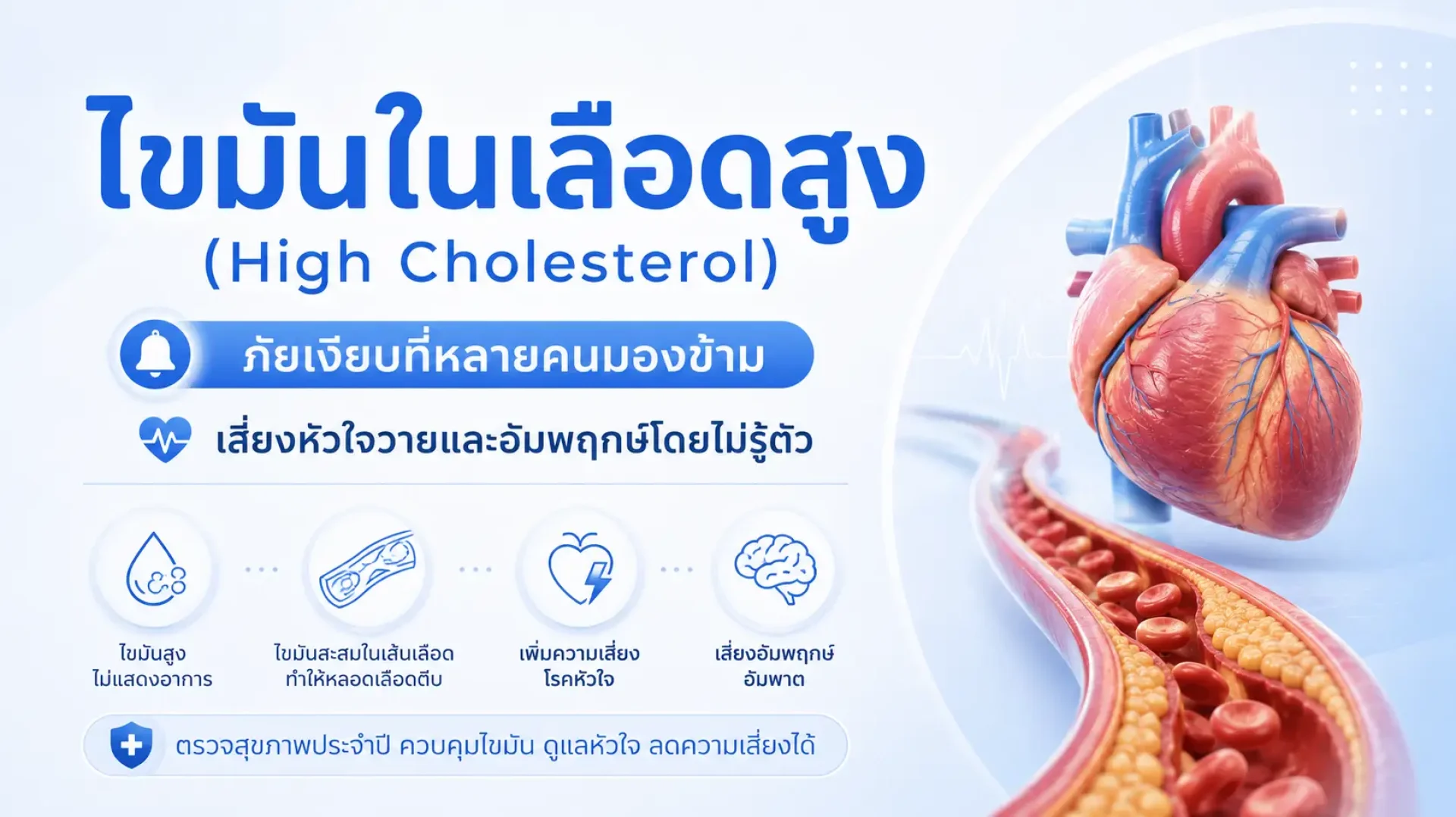
High Blood Cholesterol: The Silent Killer You Might Be Ignoring
Risking Heart Attacks and Strokes Without Warning
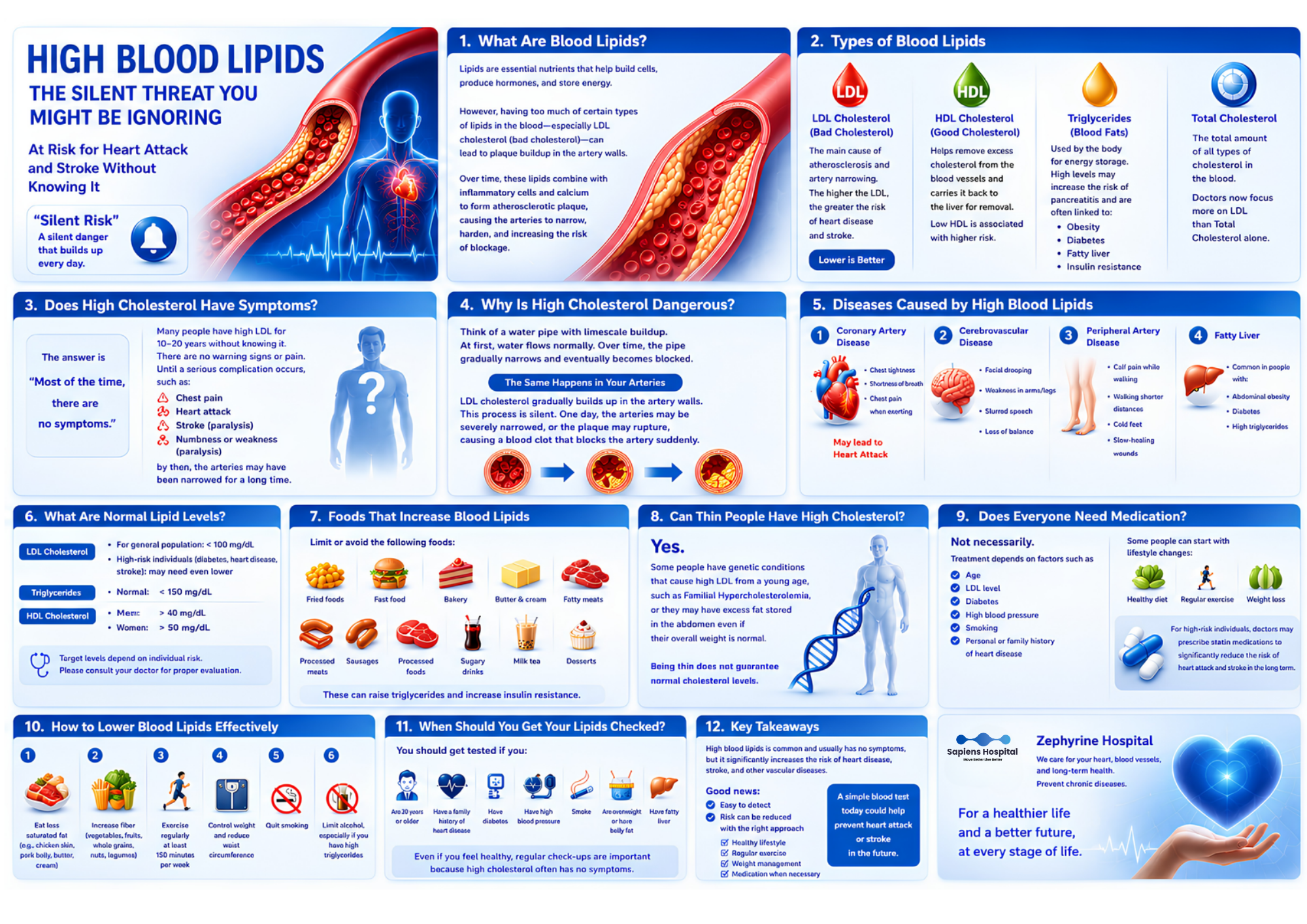
While many people focus on managing diabetes and hypertension, High Blood Cholesterol is often overlooked. It is frequently dismissed as just another number on a health check-up report. In reality, high cholesterol is a leading risk factor for cardiovascular disease—the top cause of death worldwide.
The most alarming aspect is that most people experience absolutely no symptoms for years, even while their cholesterol levels remain dangerously high. The condition quietly progresses until it triggers severe, life-threatening complications, including:
- Coronary Artery Disease (CAD)
- Myocardial Infarction (Heart Attack)
- Ischemic Stroke / Paralysis
- Peripheral Artery Disease (PAD)
What is Blood Cholesterol?
Cholesterol is an essential lipid that the body needs to build cells, produce hormones, and store energy. However, having an excess of certain lipids in the bloodstream—particularly LDL Cholesterol (the "bad" cholesterol)—leads to dangerous buildup on the arterial walls.
Over time, this cholesterol combines with inflammatory cells and calcium, forming atherosclerotic plaque. This plaque causes the arteries to narrow, harden, and ultimately block blood flow.
Understanding Your Cholesterol Profile
- LDL Cholesterol ("Bad" Cholesterol): The primary culprit behind coronary artery and cerebrovascular diseases. Medical consensus confirms that “Lower is Better”—the more you reduce your LDL, the lower your risk of cardiovascular events.
- HDL Cholesterol ("Good" Cholesterol): Acts as a scavenger, removing excess cholesterol from the bloodstream and transporting it back to the liver for disposal. Low HDL levels are linked to a higher risk of heart disease.
- Triglycerides: A type of fat used to store energy. Extremely high levels can trigger acute pancreatitis and are commonly associated with obesity, diabetes, fatty liver disease, and insulin resistance.
- Total Cholesterol: The overall measure of cholesterol in your blood. However, modern medicine focuses much more heavily on your specific LDL levels rather than Total Cholesterol alone.
Are There Any Warning Signs?
The short answer is "No."
This lack of symptoms is precisely what makes the condition so dangerous. Many individuals live with elevated LDL levels for 10 to 20 years without realizing it. They feel perfectly healthy until a sudden catastrophic event occurs, such as chest pain, a heart attack, or a stroke, revealing that their arteries have been narrowing for decades.
The Pipe Analogy: Think of your blood vessels like plumbing. At first, mineral buildup (plaque) doesn't stop the water from flowing. But over years, the pipe narrows until it completely clogs, or a piece of debris breaks off and blocks the flow entirely.
Associated Health Risks and Complications
- Coronary Artery Disease (CAD): The most common complication. Symptoms include chest tightness, shortness of breath, and chest pain during exertion. A sudden, complete blockage leads to a Heart Attack.
- Cerebrovascular Disease (Stroke): High cholesterol significantly increases the risk of ischemic stroke. Key warning signs include facial drooping, arm/leg weakness, slurred speech, and loss of balance.
- Peripheral Artery Disease (PAD): Narrowed arteries in the limbs can cause leg cramps or pain while walking (claudication), cold feet, and slow-healing wounds.
- Fatty Liver Disease: Frequently diagnosed in individuals with abdominal obesity, diabetes, and high triglycerides.
What Do Your Lab Numbers Mean?
| Cholesterol Type | Target Range for General Population |
| LDL Cholesterol | Below 100 mg/dL (High-risk groups, such as those with diabetes or heart disease, require much lower targets) |
| Triglycerides | Below 150 mg/dL |
| HDL Cholesterol | Above 40 mg/dL (Men) / Above 50 mg/dL (Women) |
Note: Ideal target levels vary depending on individual cardiovascular risk factors. Always consult a physician for a personalized assessment.
Dietary Triggers to Avoid
To keep your cholesterol in check, limit or avoid the following:
- Fried foods, fast food, and baked goods
- Butter, cream, fatty meats, and poultry skin
- Processed meats (e.g., sausages, bacon)
- Sugary drinks, boba milk tea, and desserts (these heavily impact triglyceride levels and insulin resistance)
Frequently Asked Questions
Can lean or skinny people have high cholesterol?
Yes, absolutely. It is a common misconception that high cholesterol only affects overweight individuals. Some people are genetically predisposed to high LDL levels from a young age (a condition known as Familial Hypercholesterolemia). Others may have high visceral fat (fat stored around internal organs) despite having a low body weight. Shape and size do not guarantee healthy cholesterol levels.
Does everyone with high cholesterol need medication?
Not necessarily. Treatment plans are highly individualized and depend on age, LDL levels, and co-existing risk factors like diabetes, hypertension, smoking habits, and family history. While some individuals can manage their levels through lifestyle modifications (diet, exercise, and weight loss), high-risk patients are often prescribed statins to effectively reduce the long-term risk of heart attacks and strokes.
Proven Strategies to Lower Your Cholesterol
- Modify Your Diet: Reduce saturated fats (e.g., pork belly, chicken skin, butter) and increase soluble fiber intake through vegetables, fruits, whole grains, and nuts.
- Stay Active: Engage in at least 150 minutes of moderate exercise per week.
- Manage Weight: Maintain a healthy weight and reduce waist circumference.
- Quit Smoking: Smoking accelerates arterial damage.
- Limit Alcohol: Essential for reducing high triglycerides.
When Should You Get Tested?
You should schedule a lipid panel test if you:
- Are 20 years of age or older
- Have a family history of premature heart disease
- Have diabetes, hypertension, or fatty liver disease
- Smoke regularly
- Are overweight or have abdominal obesity
Take Control of Your Health Today
High cholesterol is incredibly common, yet highly preventable. A simple blood test today can give you the insights needed to prevent a catastrophic heart attack or stroke in the future. Through proactive lifestyle changes and proper medical guidance, you can effectively safeguard your cardiovascular health.
Sapience Hospital is dedicated to your cardiovascular wellness and chronic disease prevention. We are here to help you live a healthier, more confident life at every stage.
Contact us today to schedule your health screening.