Does early-stage diabetes have symptoms? What blood sugar level is considered diabetes? And why does diabetes cause kidney failure?
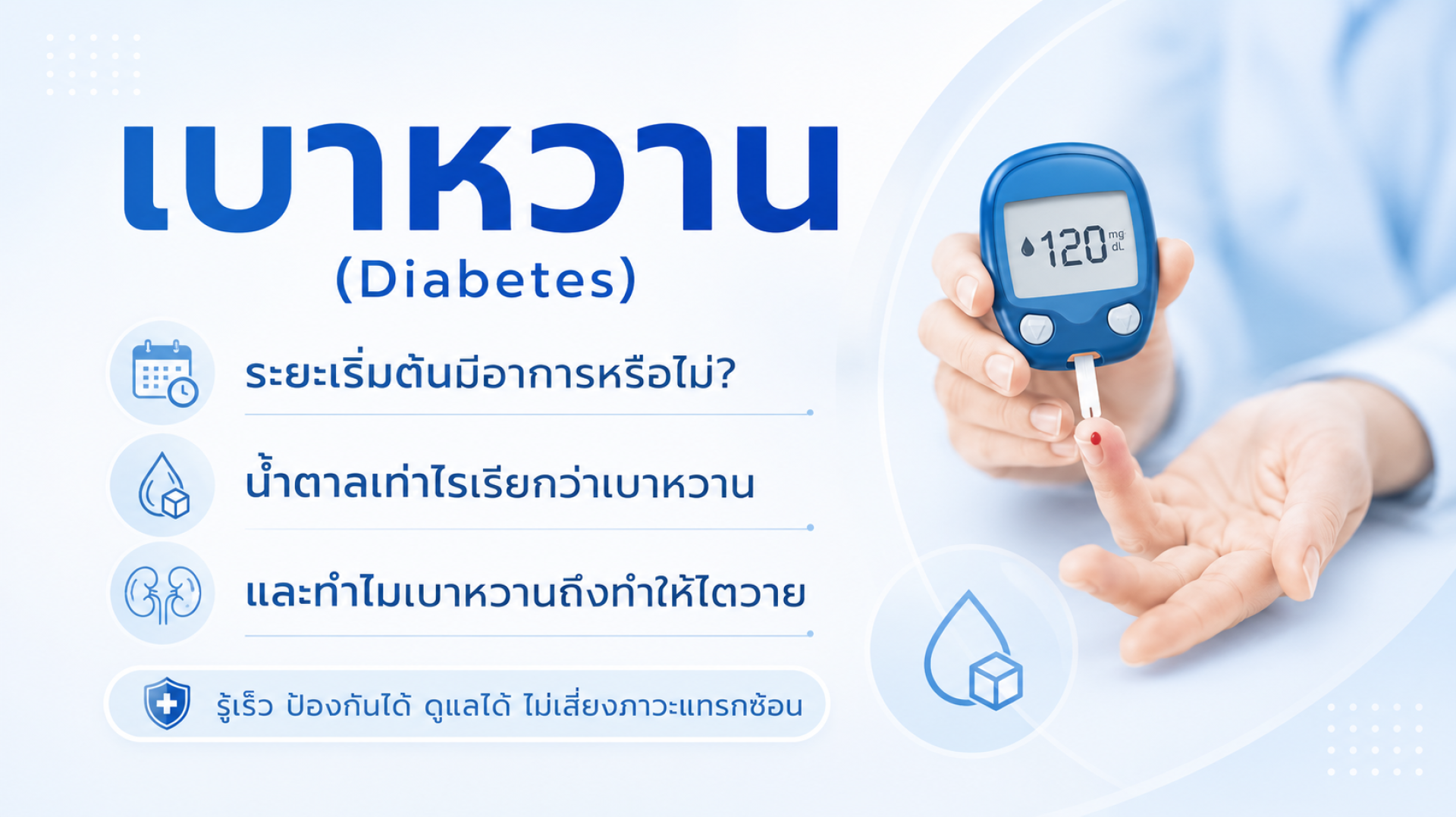
Early-Stage Diabetes: Are There Symptoms? What Blood Sugar Levels Define It? And Why Does It Cause Kidney Failure?
Diabetes is a highly prevalent chronic disease that many people overlook because it often shows no clear symptoms in its early stages. Many individuals discover they have it by chance during an annual physical exam, or only after complications have already begun to surface—such as numbness in the hands and feet, blurred vision, slow-healing wounds, kidney deterioration, or heart disease.
The true danger of diabetes lies not just in high blood sugar levels, but in its long-term damage to blood vessels, nerves, kidneys, heart, brain, and eyes. However, if detected early and managed properly, many patients can successfully control the disease, minimize the risk of complications, and maintain an excellent quality of life.
What is Diabetes?
Diabetes is a condition characterized by chronically higher-than-normal blood sugar levels. It occurs when the body experiences issues with insulin, a hormone responsible for moving glucose (sugar) from the bloodstream into cells to be used as energy.
These issues generally arise from:
- The body producing insufficient insulin.
- The body's cells not responding effectively to insulin, known as insulin resistance.
- A combination of both decreased insulin production and insulin resistance.
When blood sugar remains high over a prolonged period, it gradually damages both small and large blood vessels. This ultimately impacts vital organs and systems, most notably the kidneys, eyes, nerves, heart, and brain.
Early-Stage Diabetes: Are There Symptoms?The Answer: "Most people have no symptoms at all."
This is the primary reason why so many people live with diabetes without knowing it. Patients can have elevated blood sugar levels for years without feeling any physical discomfort until a routine blood test reveals the condition, or until complications begin to manifest.
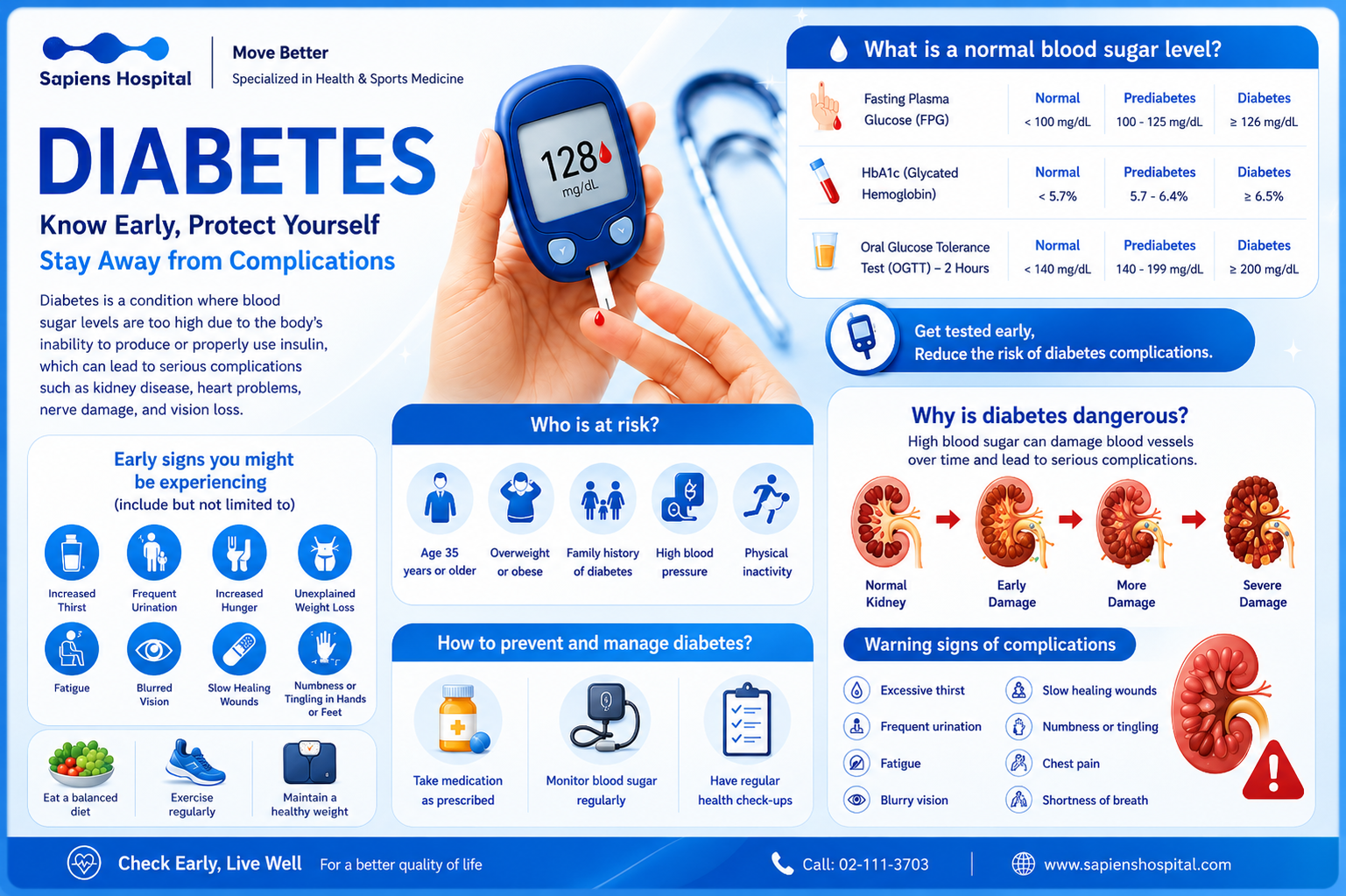
Nevertheless, some individuals may experience early warning signs, including:
- Frequent thirst and dry mouth
- Frequent urination, especially at night
- Increased hunger
- Unexplained weight loss
- Easy fatigue or low energy
- Blurred vision
- Slow-healing cuts or sores
- Frequent skin itching or fungal infections
- Numbness, tingling, or a "pins and needles" sensation in the hands and feet
Who Should Get Screened for Diabetes?
You should consider regular blood sugar screening if you meet any of the following criteria:
- Age 35 or older
- Overweight or having abdominal obesity (increased waist circumference)
- A family history of diabetes
- A history of gestational diabetes (diabetes during pregnancy)
- High blood pressure (hypertension)
- High blood cholesterol or triglycerides (dyslipidemia)
- Fatty liver disease
- A sedentary lifestyle (lack of regular exercise)
- Existing heart or vascular disease
- Unexplained numbness in hands or feet
- Slow-healing wounds or recurring infections
What Blood Sugar Levels Define Diabetes?
A proper diabetes diagnosis requires a laboratory blood test rather than relying on how you feel. The most common diagnostic measures include:
1. Fasting Plasma Glucose (FPG)
This test measures your blood sugar after an overnight fast of at least 8 hours.
- Normal: Less than 100 mg/dL
- Prediabetes (High Risk): 100–125 mg/dL
- Diabetes: 126 mg/dL or higher
2. Hemoglobin A1c (HbA1c)
This test reflects your average blood sugar levels over the past 2 to 3 months. It does not require fasting.
- Normal: Less than 5.7%
- Prediabetes (High Risk): 5.7%–6.4%
- Diabetes: 6.5% or higher
This measures blood sugar levels 2 hours after drinking a special sugary solution. It is typically used in borderline cases or to screen for gestational diabetes.
- Normal: Less than 140 mg/dL
- Prediabetes (High Risk): 140–199 mg/dL
- Diabetes: 200 mg/dL or higher
4. Random Blood Glucose Test
A random blood sugar reading of 200 mg/dL or higher, accompanied by classic symptoms like frequent urination, extreme thirst, and unexplained weight loss, points toward a diagnosis of diabetes.
What is Prediabetes?
Prediabetes is a state where blood sugar levels are higher than normal but have not yet crossed the threshold into clinical diabetes.
This stage is incredibly important because it serves as an early warning system. By making serious lifestyle modifications—such as losing weight, exercising regularly, eating a balanced diet, and getting enough sleep—you can significantly delay or entirely prevent the onset of Type 2 diabetes. Many people mistakenly think "I don't have diabetes yet, so I don't need to worry." In reality, this is the most critical window to take proactive care of your health.
Can Diabetes Be Cured?
The answer depends on the type of diabetes, its duration, and how you define a "cure."
- Type 1 Diabetes: The body produces little to no insulin. Patients require lifelong insulin therapy.
- Type 2 Diabetes: This is the most common form. While it may not be "cured" permanently, some patients can achieve Diabetes Remission. This means blood sugar levels drop back to normal ranges without the need for glucose-lowering medications for an extended period.
- Early detection and intervention
- Healthy and sustained weight loss
- Reduction of visceral fat (fat around internal organs)
- Consistent, routine exercise
- Strict dietary management
- Adequate sleep
- Cutting out sugary drinks and highly processed foods
- Continuous blood glucose monitoring
Why Does Diabetes Cause Kidney Failure?
The kidneys function as your body's filtration system, removing waste and excess fluids from the blood. Inside each kidney are millions of tiny, delicate blood vessels (capillaries) that make up these filters. When blood sugar levels remain constantly high, these microscopic blood vessels gradually become damaged, leading to a decline in kidney function (Diabetic Nephropathy).
In the early stages, patients feel completely normal. However, small amounts of protein called albumin begin to leak out into the urine. Without a specialized urine test, you would not know your kidneys are starting to fail.
As the disease progresses, the kidneys lose their ability to filter wastes, causing overall kidney function parameters to drop. This can result in elevated blood pressure, swelling (edema), shortness of breath, anemia, nausea, and loss of appetite. In advanced stages, it culminates in Chronic Kidney Disease (CKD) or total kidney failure, requiring life-sustaining dialysis or a kidney transplant.
How Diabetes Destroys the Kidneys:
- High Glucose Damages Microvessels: The tiny filters in the kidneys are highly delicate. Chronic high blood sugar causes the walls of these vessels to thicken and degrade, disrupting the filtration process.
- Protein Leakage (Albuminuria): When the filters break down, albumin proteins that should stay in your blood leak into your urine. Detecting albumin in a urine sample is the definitive early warning sign of diabetic kidney disease.
- Co-existing Hypertension: Many diabetic patients also suffer from high blood pressure. This added pressure forces blood harder through the vulnerable filtering units, accelerating kidney damage.
- Chronic Inflammation: Diabetes triggers systemic, low-grade inflammation and vascular aging, reducing blood flow to the kidneys and destroying tissue over time.
While early stages are completely silent, symptoms that appear as kidney function worsens include:
- Swelling in the feet, ankles, or legs (edema)
- Foamy or bubbly urine
- Increased need to urinate at night
- Rising or difficult-to-control blood pressure
- Shortness of breath and fatigue
- Loss of appetite and nausea
- Generalized itchy skin
- Anemia (pale skin and weakness)
- Sudden weight gain from fluid retention
Essential Kidney Tests for Diabetic Patients
Monitoring kidney health requires more than just checking blood Creatinine levels, as creatinine can appear normal even when early damage is taking place. Vital checks include:
- eGFR (Estimated Glomerular Filtration Rate): A blood calculation that indicates how efficiently your kidneys are filtering waste.
- UACR (Urine Albumin-to-Creatinine Ratio): A urine test to detect trace amounts of leaking protein. This is the gold standard for catching diabetic kidney disease early.
- Blood Pressure: Hypertension directly accelerates kidney decay; regular monitoring is mandatory.
- Lipid Profile: High cholesterol compounds cardiovascular and renal risks, requiring aggressive management.
Preventing kidney complications must start long before you feel sick. Protect your kidneys by adopting a multi-faceted approach:
- Keep your blood sugar strictly within your target range.
- Maintain optimal blood pressure control.
- Get scheduled urine tests for albumin and blood tests for eGFR.
- Cut down on sweets, sugary beverages, and processed foods.
- Reduce sodium (salt) intake.
- Engage in regular physical activity.
- Maintain a healthy body weight.
- Quit smoking completely.
- Avoid the long-term use of over-the-counter NSAID pain relievers (like ibuprofen or naproxen) without consulting your doctor, as they harm the kidneys.
- Take all prescribed medications consistently. Modern diabetes medications can lower blood sugar while actively protecting your kidneys and heart.
Schedule a medical evaluation if you fall into any of these categories:
- You are 35 or older and have never had a blood sugar screening.
- You have a strong family history of diabetes.
- You are overweight or have abdominal obesity.
- You experience unexplained fatigue, frequent urination, or constant thirst.
- You have unexpected weight loss.
- You have slow-healing wounds, blurry vision, or numbness in your extremities.
- You have been told in the past that your blood sugar is borderline or elevated.
- You have diabetes but have never had your kidney function screened.
- You notice swelling in your legs, foamy urine, or unexplained high blood pressure.
Diabetes may not show early symptoms, but its impact silently ripples across your vital organs—damaging your kidneys, heart, eyes, and nerves. Knowing your numbers, screening early when risk factors are present, and pursuing consistent care are the ultimate keys to preventing severe complications. Do not wait for symptoms to force your hand; taking action today safeguards your kidneys and your heart for tomorrow.
Sapience Hospital is fully equipped to care for you and your loved ones. We provide comprehensive screenings, accurate diagnostics, and personalized treatment plans designed to help you live a healthy, confident, and fulfilling life at every stage.