Nipah Virus (NiV): Stay Informed, Stay Protected, and Stay Calm
Last updated: 8 May 2026
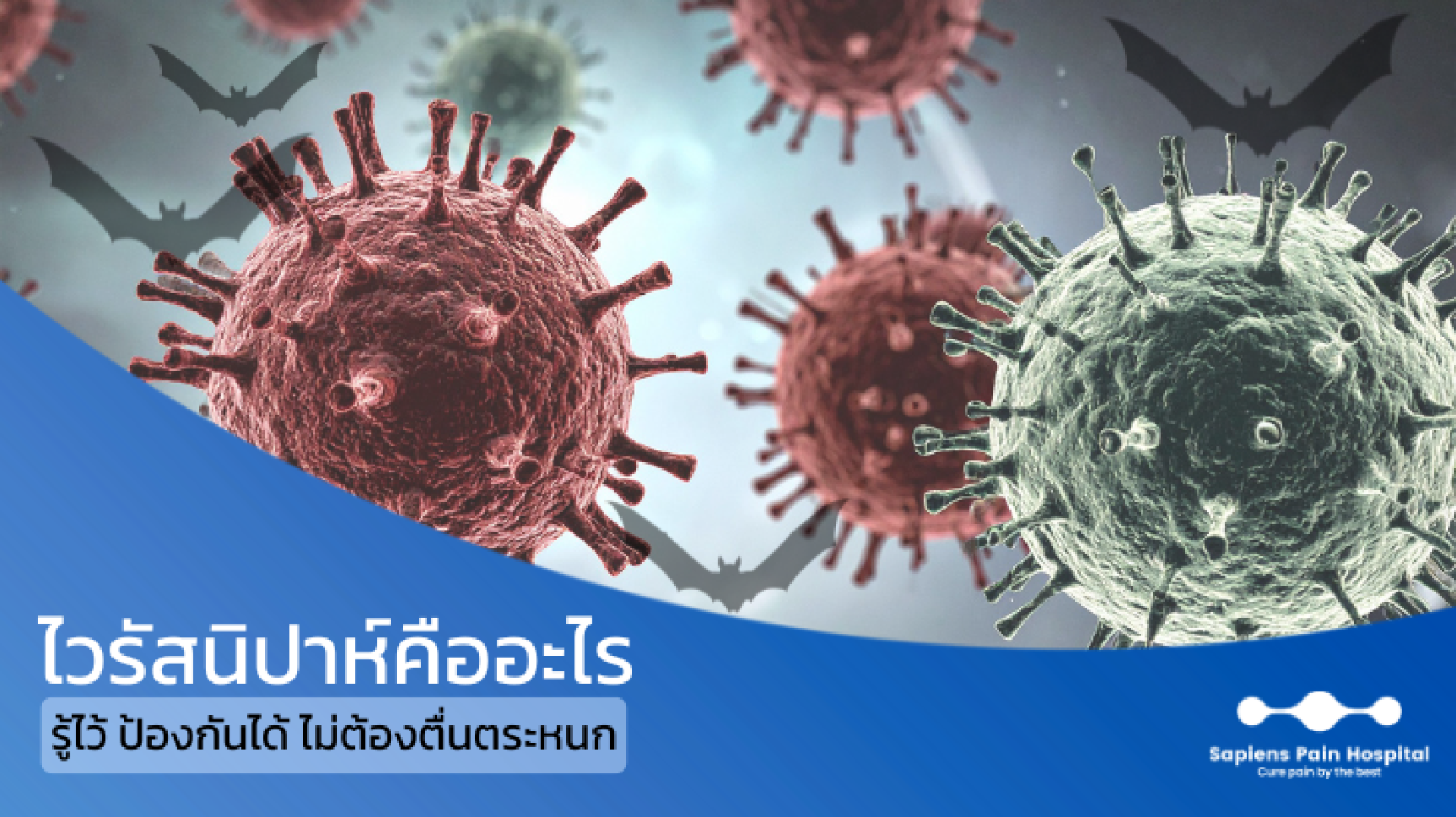
.Nipah Virus (NiV): Stay Informed, Stay Protected, and Stay Calm
1. What is Nipah Virus?
Nipah virus (NiV) is a zoonotic virus, meaning it is transmitted from animals to humans. In certain instances, it can also spread through direct human-to-human contact. First identified in the late 1990s, NiV is classified as an emerging infectious disease that causes periodic outbreaks in several countries.
Because the virus can cause severe symptoms—specifically affecting the lungs and the brain—and has a high mortality rate, the World Health Organization (WHO) has listed it as a priority disease for research and monitoring due to its epidemic potential.
2. Where Does It Come From?
The primary natural reservoir for the virus is fruit bats (Pteropodidae family). Bats can carry the virus without showing any signs of illness, shedding it through their saliva, urine, and feces. Other animals, such as pigs, dogs, cats, and horses, can contract the virus from bats and subsequently pass it on to humans.
3. History and Past Outbreaks
The virus was first recognized in 1998–1999 during an outbreak among pig farmers in Malaysia and Singapore. Since then, multiple outbreaks have been recorded, most frequently in Bangladesh and India.
In some regions, outbreaks occur almost annually, indicating that the virus persists in nature. Over the past 25 years, while the number of cases has remained in the hundreds, the fatality rate is alarmingly high—often exceeding 50% of those infected.
4. How Does It Spread?
There are three primary routes of transmission:
- Animal-to-Human: Direct contact with infected bats or other infected animals (touching their secretions like saliva, urine, or blood).
- Contaminated Food: Consuming fruit bitten by bats or drinking raw date palm sap contaminated by bat droppings or saliva.
- Human-to-Human: Though less common, transmission can occur through very close contact, such as caring for an infected patient or touching their bodily fluids.
5. Symptoms to Watch For
Symptoms typically appear 4–14 days after exposure.
- Initial Stage: Flu-like symptoms including fever, headache, fatigue, cough, and sore throat.
- Severe Stage:
Stay Aware, Stay Safe, and Stay Calm.
1. What is Nipah Virus?
Nipah virus (NiV) is a zoonotic virus, meaning it is transmitted from animals to humans. In certain instances, it can also spread through direct human-to-human contact. First identified in the late 1990s, NiV is classified as an emerging infectious disease that causes periodic outbreaks in several countries.
Because the virus can cause severe symptoms—specifically affecting the lungs and the brain—and has a high mortality rate, the World Health Organization (WHO) has listed it as a priority disease for research and monitoring due to its epidemic potential.
2. Where Does It Come From?
The primary natural reservoir for the virus is fruit bats (Pteropodidae family). Bats can carry the virus without showing any signs of illness, shedding it through their saliva, urine, and feces. Other animals, such as pigs, dogs, cats, and horses, can contract the virus from bats and subsequently pass it on to humans.
3. History and Past Outbreaks
The virus was first recognized in 1998–1999 during an outbreak among pig farmers in Malaysia and Singapore. Since then, multiple outbreaks have been recorded, most frequently in Bangladesh and India.
In some regions, outbreaks occur almost annually, indicating that the virus persists in nature. Over the past 25 years, while the number of cases has remained in the hundreds, the fatality rate is alarmingly high—often exceeding 50% of those infected.
4. How Does It Spread?
There are three primary routes of transmission:
- Animal-to-Human: Direct contact with infected bats or other infected animals (touching their secretions like saliva, urine, or blood).
- Contaminated Food: Consuming fruit bitten by bats or drinking raw date palm sap contaminated by bat droppings or saliva.
- Human-to-Human: Though less common, transmission can occur through very close contact, such as caring for an infected patient or touching their bodily fluids.
5. Symptoms to Watch For
Symptoms typically appear 4–14 days after exposure.
- Initial Stage: Flu-like symptoms including fever, headache, fatigue, cough, and sore throat.
- Severe Stage:
- Difficulty breathing (acute respiratory infection).
- Encephalitis (brain inflammation), which leads to drowsiness, confusion, seizures, or coma.
Note: The average fatality rate is estimated between 40% and 75%.
6. Current Situation and Comparison with COVID-19
Recent reports have highlighted localized outbreaks in parts of India. In Thailand, there have been no reported cases so far, and public health authorities are actively screening travelers from high-risk areas. The risk to the general public remains low.
| Feature | COVID-19 | Nipah Virus (NiV) |
| Transmission | Highly airborne; spreads easily through casual contact. | Requires very close contact or contaminated food/animal sources. |
| Environmental Survival | Can persist longer in various conditions. | Fragile; easily destroyed by soap, sunlight, and disinfectants. |
| General Risk | High community spread. | Very low for the general population. |
7. Treatment and Vaccines
- Treatment: There is currently no specific cure or antiviral drug for NiV. Treatment focuses on intensive supportive care, managing complications, and ensuring the patient receives enough oxygen.
- Vaccines: There is no vaccine currently available for general use. However, clinical trials in humans are underway, led by the University of Oxford and other global health institutions.
8. How to Protect Yourself
Prevention is the best defense. You can stay safe by following these simple steps:- Wash your hands frequently with soap and water.
- Clean fruits thoroughly and peel them before eating.
- Avoid eating fruit that shows signs of bird or bat bites or has fallen on the ground.
- Avoid contact with sick animals or areas where bats congregate.
- Wear a mask if you are in close proximity to someone who is ill; while NiV isn't as airborne as COVID-19, masks effectively block respiratory droplets.
Stay Aware, Stay Safe, and Stay Calm.
Related Content

ปวดเข่าจากข้อเสื่อมมีวิธีรักษาหลากหลาย ตั้งแต่การฉีดยา Hyaluronic Acid, PRP, สเต็มเซลล์, RFA ไปจนถึงการผ่าตัดเปลี่ยนข้อเข่า ต้องรักษาแบบไหนถึงเหมาะสม
27 May 2025

อาการยืดแขนไม่ได้ ร้าวลงบ่า และปวดคอบ่าไหล่มีสาเหตุและอาการที่แตกต่างกัน การรักษาของแต่ละอาการก็ไม่เหมือนกัน การเข้าใจอาการที่เกิดขึ้นจะช่วยให้เลือกวิธีการรักษาที่เหมาะสมได้
17 Apr 2025

พฤติกรรมการนั่งที่ไม่ถูกต้องอาจเป็นต้นเหตุของออฟฟิศซินโดรม มาปรับพฤติกรรมง่าย ๆ ด้วย 5 วิธี ที่ช่วยป้องกันอาการปวดหลังและลดความเสี่ยงจากออฟฟิศซินโดรม เพื่อสุขภาพที่ดีในระยะยาว
17 Apr 2025
