Childhood Leg and Knee Pain: Growing Pains vs. Injury
Childhood Leg and Knee Pain: Growing Pains vs. Injury
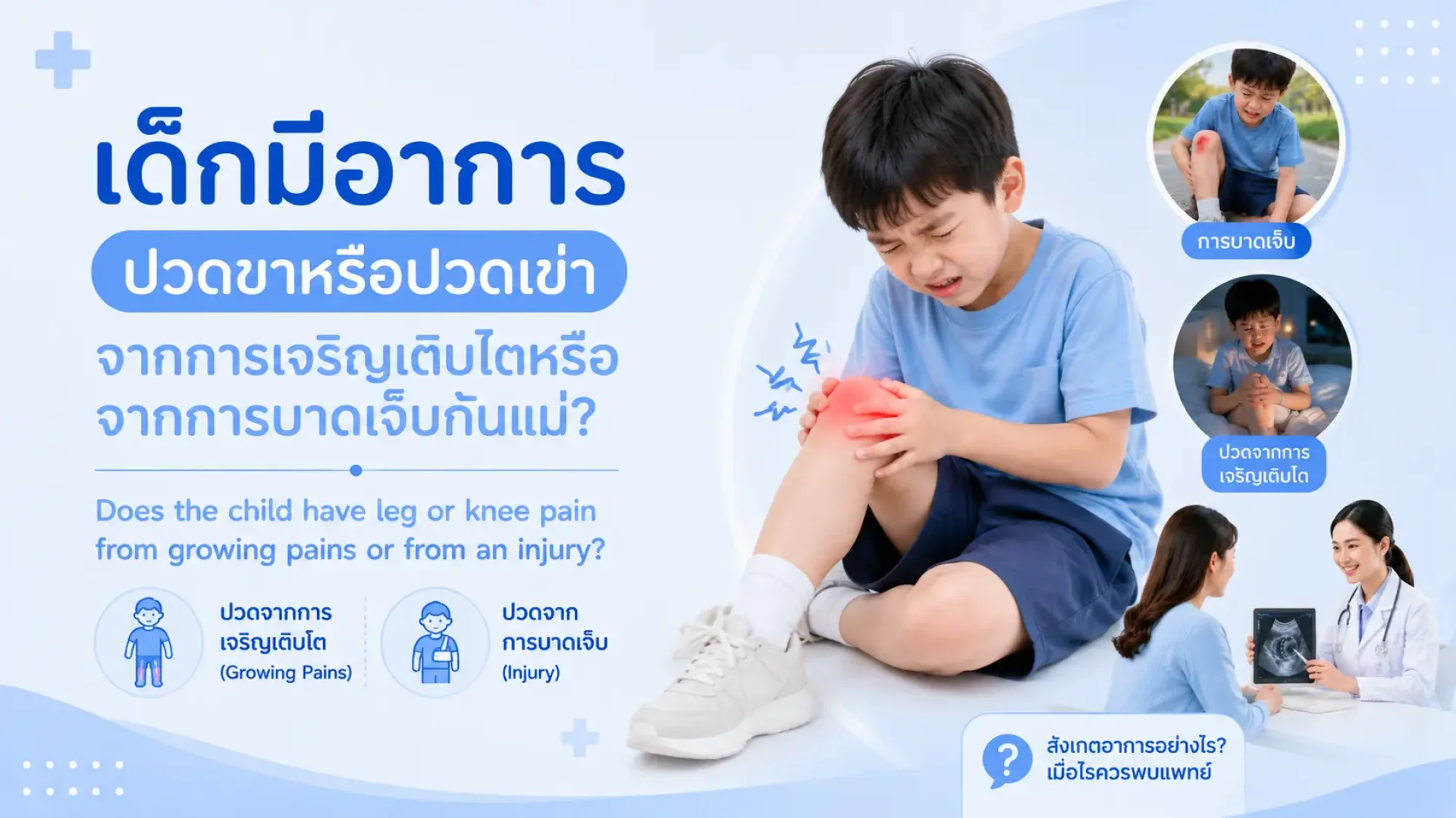
Hearing a child complain of "leg pain" or "knee pain" is a common experience for many parents. Some nights, a child might wake up crying from a calf ache. On other days, they might come home from school complaining of knee pain when walking up the stairs. In some cases, a child starts limping after playing sports, leaving parents unsure whether it is just "growing pains" or a more serious injury that requires a medical examination.
This question is vital because leg pain in children can range from completely harmless conditions—such as growing pains or benign nocturnal limb pains—to sports injuries, tendonitis, apophysitis (inflammation of the growth plate at the tendon insertion), minor fractures, arthritis, infections, or other conditions requiring urgent treatment. The most crucial takeaway for parents from pediatricians is:
"Never assume a child's leg pain is simply due to growing." Parents must carefully evaluate the onset of pain, its specific location, whether it affects one or both sides, the child’s gait (walking pattern), the presence of swelling, redness, or fever, and how the pain impacts the child's daily activities.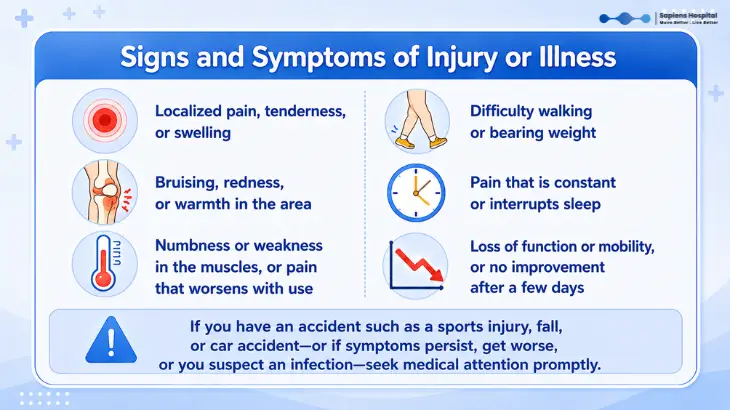
What Are Growing Pains?
"Growing pains" is a long-standing term used to describe recurrent leg pain in children that typically occurs in the late afternoon or evening. The pain is usually intermittent, and children generally return to walking, playing, and their normal routines the next morning. According to NHS resources, growing pains are most common in children aged 3 to 12 years, causing an aching or throbbing sensation in both legs that appears late in the day or at night and resolves by morning.
Despite the name implying that the pain stems from "bones growing," there is currently no definitive evidence directly linking this condition to rapid bone elongation. Some theories suggest it may be related to muscle fatigue after a day of heavy physical activity or running, though the exact cause is likely multifactorial. The Raising Children Network explains that growing pains are not directly caused by physical growth, and physical examinations in most children reveal no underlying abnormalities.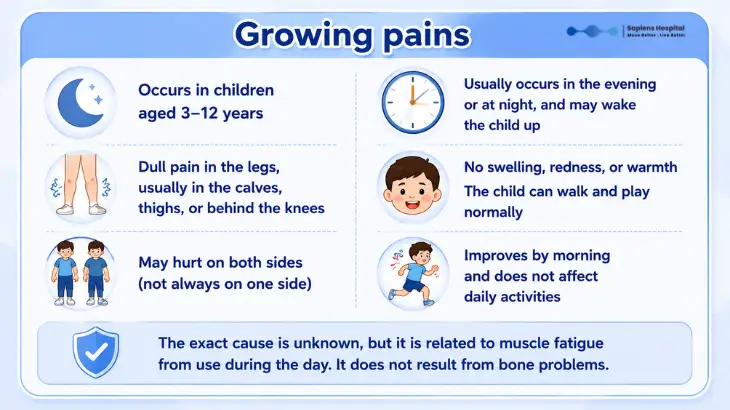
Characteristics Consistent with Growing Pains
Symptoms of growing pains typically present as a deep ache or soreness in the thighs, calves, shins, or behind the knees. It usually affects both legs, though not necessarily at the same time, and the pain is generally not localized to a single joint. There should be no swelling, redness, warmth, fever, or history of recent trauma. While children may cry from discomfort during the night, they usually wake up completely fine, walk normally without limping, and can attend school or play as usual the next day.
A clinical review in the BMJ notes that growing pains are a non-inflammatory pain syndrome and represent the most common cause of musculoskeletal pain in children. Reported prevalence rates vary widely across studies—ranging from approximately 3% to 37%—largely due to differences in diagnostic criteria and study methodologies.
Another critical characteristic is that the child must have a completely normal physical examination. If an exam reveals joint swelling, localized tenderness, muscle atrophy, restricted joint mobility, an abnormal gait, or persistent pain in the exact same spot every time, it should not be dismissed as simple growing pains. The Pediatric Orthopaedic Society of North America (POSNA) notes that growing pains are a diagnosis of exclusion, meaning doctors must rule out all other potential medical conditions before confirming this diagnosis, especially when symptoms deviate from the classic pattern.
Signs That It Is NOT Growing Pains
If a child experiences distinct pain in only one leg, recurrent pain in the exact same spot, daytime pain, progressively worsening pain, or pain so severe that they refuse to walk or start limping, parents should seek medical attention. Additionally, signs like joint swelling, redness, warmth, localized tenderness, fever, unexplained weight loss, unusual fatigue, persistent night pain that causes frequent waking, or pain that lasts into the morning are not characteristic of classic growing pains.
The Better Health Channel (Victoria) recommends consulting a doctor if a child experiences severe pain, pain isolated to one side, pain that persists into the day, fever, loss of appetite, rashes, swelling, redness, localized tenderness, or limping, as these indicate other underlying causes that require investigation.
Children who limp or refuse to bear weight require urgent and careful evaluation. The Royal Children’s Hospital Melbourne states that a limping or non-weight-bearing child requires a systematic clinical assessment. If joint mobility is significantly restricted, serious conditions such as septic arthritis (a joint infection) must be considered, as they demand immediate medical intervention.
Knee Pain in Children: It May Not Be Growing Pains
Knee pain is common in children and adolescents, particularly those active in sports involving running, jumping, pivoting, or rapid changes of direction—such as football, basketball, gymnastics, and badminton. Growing pains typically do not localize directly within the knee joint itself and do not cause limping. However, if the pain is felt at the front of the knee, right below the kneecap, on the sides of the joint, or worsens during sports, it is likely an overuse injury or trauma.
Osgood-Schlatter disease is a frequent cause of knee pain in growing, athletic adolescents. It occurs just below the knee where the patellar tendon attaches to the shinbone (tibia). Children often experience pain during running, jumping, kneeling, or climbing stairs, and a visible or palpable bony bump may develop below the knee. The American Academy of Orthopaedic Surgeons (AAOS) explains that Osgood-Schlatter disease is an inflammation or irritation at the tibial tubercle where the patellar tendon inserts, and it is highly prevalent during adolescent growth spurts.
Another common condition is adolescent anterior knee pain (or patellofemoral pain syndrome), which causes pain at the front of the knee or around the kneecap. This discomfort is often aggravated by prolonged sitting with bent knees, climbing stairs, squatting, running, or jumping. The AAOS notes that anterior knee pain in adolescents is frequently related to overuse or training regimens that lack proper stretching and strengthening exercises. Most cases improve with rest, activity modification, and targeted physical therapy exercises.
How to Spot a Sports Injury
If there is a clear history of a fall, a twisting knee injury, tripping while running, a direct impact, or an audible "pop" sound followed by pain, swelling, difficulty walking, or a feeling of joint instability, a structural injury to the ligaments, muscles, cartilage, or bones should be suspected. Young children may not always be able to describe how they got hurt, but parents can usually spot signs like an altered walking pattern, favoring one leg, or refusing to play.
Immediate first-aid care for minor injuries involves stopping the painful activity, resting the affected area, and applying cold compresses during the first 24 to 48 hours. Deep or forceful massages should be avoided initially. If the child is completely unable to bear weight, a medical evaluation is necessary. The Royal Children’s Hospital Melbourne recommends standard sprain management principles, including resting the injured area, applying cold packs for 10–15 minutes, and using walking aids if the child experiences difficulty moving.
However, if you notice severe swelling, excruciating pain, visible deformity of the leg, numbness, weakness, a cold foot, skin color changes, an inability to walk, or pain that steadily worsens, do not wait. These symptoms may indicate a bone fracture or joint dislocation requiring immediate X-rays and medical treatment.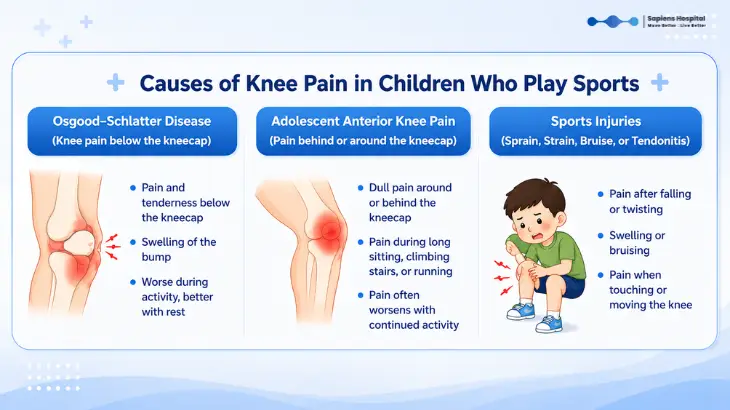
Referred Pain: When a Hip Problem Feels Like Knee Pain
One important medical fact that many parents are unaware of is that a child can have a medical issue in their hip but complain of pain in their knee or thigh. This happens because certain sensory nerves supply both the hip and the knee, leading to referred pain. This is particularly crucial in overweight or rapidly growing adolescents. If a child presents with a limp, hip pain, thigh pain, or chronic knee pain on only one side, a thorough clinical evaluation of the hip joint is essential.
The Royal Children’s Hospital Melbourne guideline for the limping child emphasizes evaluating the joints both above and below the area of reported pain, assessing the child's gait, measuring the joint range of motion, and conducting a neurological examination. The location where a child feels pain does not always reflect the actual site of the disease or injury.
Arthritis and Joint Infections: Critical Diagnoses Not to Be Missed
A child presenting with joint pain accompanied by swelling, redness, warmth, an inability to move the joint, a high fever, or a refusal to walk must be evaluated immediately for septic arthritis (joint infection), osteomyelitis (bone infection), or other acute inflammatory arthropathies. A joint infection is a medical emergency because delays in treatment can lead to rapid and permanent joint destruction.
The RCH guideline on the acutely swollen joint states that evaluating sudden joint swelling in children requires assessing their fever, general physical appearance, and performing a detailed joint examination (inspection, palpation, range of motion), while comparing both sides. It also involves evaluating the child's gait, neurological status, and investigating the possibility of infectious or systemic inflammatory diseases.
In clinical practice, if a child presents with a fever combined with leg pain, a refusal to bear weight, or a hot, swollen joint, doctors will typically order blood tests, X-rays, ultrasounds, or arrange an emergency specialist referral. Growing pains should never cause a fever, joint swelling, or an inability to walk.
Interpreting Night Pain Correctly
Many people mistakenly believe that "pain at night" automatically equates to growing pains. This is not entirely true. While growing pains typically present in the evening or at night, the discomfort should completely resolve by morning, cause no limping, and the child should appear perfectly healthy during the day. If a child experiences night pain that grows progressively worse, occurs in the exact same spot every single night, frequently wakes the child from sleep, or is accompanied by weight loss, paleness, fatigue, or fever, further medical investigations are required.
An article by the American Academy of Family Physicians (AAFP) on the signs and symptoms of childhood cancer points out that bone pain that occurs at night, awakens the child, and is either persistent or recurrent can occasionally be an early warning sign of certain serious underlying malignancies. While rare, these red flags should never be ignored when accompanied by other systemic symptoms.
What Tests to Expect at the Doctor's Office
The cornerstone of a proper diagnosis relies on a detailed medical history and a comprehensive physical examination. The doctor will ask when the pain started, its exact location, whether it is unilateral (one side) or bilateral (both sides), what time of day it occurs, if it worsens after sports, if there was any trauma, or if the child is limping. They will also screen for red flags like fever, swelling, redness, weight loss, or other systemic symptoms, alongside inquiries about sports participation, footwear, playing surfaces, training routines, or sudden increases in activity levels.
The physical examination will assess the child's gait, leg length, range of motion in the hips, knees, and ankles, localized points of tenderness, signs of swelling or warmth, muscle bulk, neurological function, and weight-bearing capability. If the history perfectly aligns with growing pains, the physical exam is entirely normal, and no red flags are present, immediate X-rays or blood tests are generally unnecessary. However, if any abnormalities are detected, the physician may order X-rays, blood tests (such as CBC, ESR, or CRP), an ultrasound, an MRI, or refer the child to a pediatric orthopedic surgeon as indicated.
Managing Growing Pains
If the symptoms are consistent with growing pains and a medical exam confirms there are no dangerous warning signs, treatment focusing on supportive care is highly effective. This includes gentle massaging of the affected legs, applying warm compresses, light muscle stretching before bedtime, ensuring the child gets adequate rest, and administering age- and weight-appropriate pain relievers when necessary under medical guidance. The NHS notes that leg massages, heating pads, and appropriate analgesics can significantly help relieve the discomfort of growing pains.
Parents should reassuringly explain to their child that this pain is not their fault and is not a sign of a serious illness. At the same time, it is beneficial for parents to keep a log tracking the timing, location, frequency, and triggers of the pain to monitor whether the symptoms follow a consistent, predictable pattern or begin to change in a concerning way.
Treating Knee Pain from Overuse
For conditions like Osgood-Schlatter disease, patellofemoral pain, or other overuse injuries, management rarely requires stopping sports entirely forever. Instead, treatment focuses on relative rest and activity modification—temporarily reducing activities that trigger the pain. It also incorporates structured stretching programs for the quadriceps and calf muscles, strengthening exercises for the hips and thighs, adjusting footwear or playing surfaces, and a gradual, phased return to sports as symptoms improve.
The AAOS states that adolescent anterior knee pain typically resolves with simple measures, such as rest, appropriate pain relief medication, and tailored strengthening exercises designed to help the child safely return to their sports and activities.
A significant challenge among young athletes is their tendency to play through pain out of fear of losing their position on a team or missing out on practice. Allowing an overuse injury to become chronic can lead to altered movement mechanics, compensatory muscle weakness, and a much longer recovery time. Consulting a doctor or a physical therapist helps establish a structured, safe return-to-play protocol rather than simply banning activities without a clear recovery roadmap.
When to Seek Immediate Medical Attention
Take your child to see a doctor immediately if they:
- Are unable to walk or refuse to bear weight on their leg.
- Have a joint that is visibly swollen, red, or hot to the touch.
- Experience severe pain following an acute injury or accident.
- Display a visible physical deformity of the leg.
- Develop a fever accompanied by joint or leg pain.
- Appear unusually lethargic or unwell.
- Experience localized pain that grows progressively worse.
- Have severe night pain that frequently wakes them up from sleep.
- Show systemic signs like unexplained weight loss, paleness, or chronic fatigue.
- Complain of numbness or physical weakness in the leg.
- Suffers from recurrent pain isolated to only one side or the exact same spot.
- Experiences leg pain primarily during the daytime.
- Develops chronic pain following sports activities.
- Has knee pain that makes climbing up or down stairs difficult.
- Walks with a noticeable limp, even in the absence of a fever.
- Shows no improvement after 1 to 2 weeks of rest and basic home care. These signs warrant an evaluation for potential overuse injuries, growth plate injuries, biomechanical issues, or other bone and joint disorders.
- My child frequently complains of leg pain at night, but is completely fine in the morning. Should I be worried?If the pain occurs on both sides, feels like a dull ache, is free of swelling, redness, or fever, does not cause limping, and resolves completely by morning allowing normal play, it is highly consistent with growing pains. However, continue to monitor the pattern. If the pain shifts to only one side, targets a fixed spot, or starts occurring during the day, a medical examination is recommended.
- What is the difference between growing pains and Osgood-Schlatter disease?
Growing pains generally present as a diffuse, broad ache in the legs during the evening or night and disappear by morning. In contrast, Osgood-Schlatter disease causes localized pain specifically right below the knee joint, which is directly aggravated by running, jumping, kneeling, or playing sports, and may be accompanied by a palpable bony bump below the kneecap. They require entirely different medical approaches. - My child developed leg pain after playing sports. How long should they rest?
This depends entirely on the underlying cause and severity. If it is simple muscle fatigue, a brief period of rest may suffice. However, if it is an overuse injury, activities that provoke the pain must be reduced until the symptoms are well-controlled, followed by a very gradual return to sports. If your child is limping, in severe pain, or notes joint swelling, they should be evaluated by a physician. - Is an X-ray necessary every time a child has leg pain?
Not necessarily. If the clinical presentation perfectly matches growing pains and the doctor's physical exam is entirely normal, imaging is usually not required. However, if there is a history of trauma, localized bone tenderness, an inability to walk, joint swelling, persistent one-sided pain, or any clinical red flags, the doctor will likely order an X-ray or other appropriate diagnostic tests.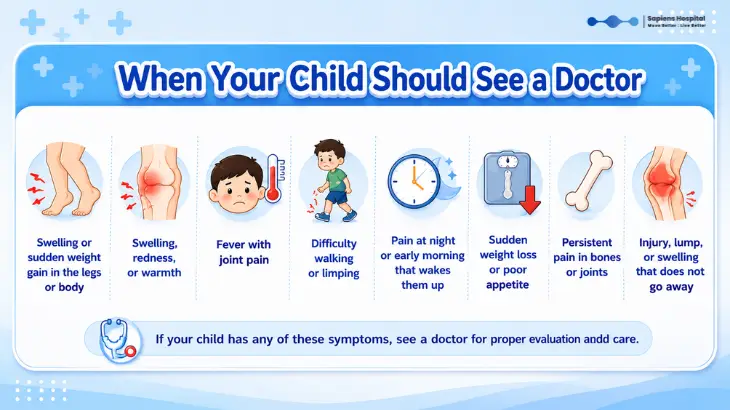
Leg and knee pain in children can stem from benign, harmless conditions like growing pains, or it can be a sign of sports-related trauma, joint infections, or orthopedic disorders that require medical intervention. Parents can find reassurance if the pain occurs on both sides in the evening or night, clears up by morning, causes no limping, swelling, or redness, and leaves the child acting completely healthy and active during the day. However, if the pain is unilateral, persistent in one spot, causes a limp, or is accompanied by a swollen joint, fever, daytime pain, or progressive worsening, it should never be labeled as "just growing pains" without a professional medical evaluation.
The best approach for parents is to listen to your child's complaints seriously, observe their walking habits, note the exact location of the pain, monitor its impact on their daily activities, and seek professional medical care the moment any unusual signs appear. Differentiating early on between growing pains, overuse injuries, or structural trauma ensures your child can return to playing, learning, and moving with absolute confidence and safety.
Sapiens Hospital
Move Better : Live Better
Tel. 02-111-3703
References
NHS. Growing pains. Uziel Y, Hashkes PJ. Growing pains in children. Pediatric Rheumatology.
Royal Children’s Hospital Melbourne. The limping or non-weight bearing child.
Royal Children’s Hospital Melbourne. The acutely swollen joint.
American Academy of Orthopaedic Surgeons. Osgood-Schlatter Disease.
American Academy of Orthopaedic Surgeons. Adolescent Anterior Knee Pain.
American Academy of Family Physicians. Signs and Symptoms of Childhood Cancer.